April 23, 2026
April 23, 2026
Selling a Rancho Santa Fe estate is rarely a simple plug-and-play process. In a market with large lots, limited sales, and a strong preference for privacy, the path to a successful sale often depends on thoughtful preparation, precise pricing, and a strategy tailored to the property itself. If you are considering a sale, this guide will walk you through what matters most, from pre-listing decisions to closing day. Let’s dive in.
Rancho Santa Fe is not a typical neighborhood market, and that matters when you sell. According to the Rancho Santa Fe Association, the community is covenant-managed, known for large lots averaging more than two acres, and shaped by rules intended to preserve its character.
That setting creates a very specific estate market. Recent data from Redfin’s Rancho Santa Fe housing market report showed a median sale price of $3.225 million, median days on market of 145, and only five sales in March 2026. Zillow reported a typical home value of $4.316 million, 75 homes in inventory, and a median list price of $4.996 million as of March 31, 2026.
Those numbers are not directly comparable, but they point to the same takeaway: this is a thin, high-end market where estate-specific strategy matters. For perspective, San Diego County’s median sale price was $915,000 in March 2026, which shows how different Rancho Santa Fe is from the broader county.
Before your home goes public, you want to understand what a buyer will see and where value may be won or lost. In an estate setting, that means reviewing not just the house, but also the grounds, approach, privacy, and the overall feeling of the property.
A practical first step is removing clutter and identifying visible repairs. The National Association of Realtors seller-prep guidance recommends clearing unwanted items, evaluating the home’s core condition, and then focusing on improvements such as paint, lighting, hardware, flooring, backsplashes, and yard cleanup.
For Rancho Santa Fe estates, that review often includes asking a few basic questions:
Not every improvement deserves your time or budget. In most cases, the best return comes from selective work that improves presentation without over-customizing for the next owner.
Visible repairs and cosmetic refinements usually come first. Fresh paint, updated lighting, clean hardware, repaired flooring, and polished landscaping can make an estate feel better cared for and more move-in ready.
Outdoor presentation also deserves attention. NAR’s 2023 Outdoor Features report found an estimated 100% cost recovery for an overall landscape upgrade in its study model, although that research was based on a standard-quality project and not a luxury estate, so each property should be evaluated individually.
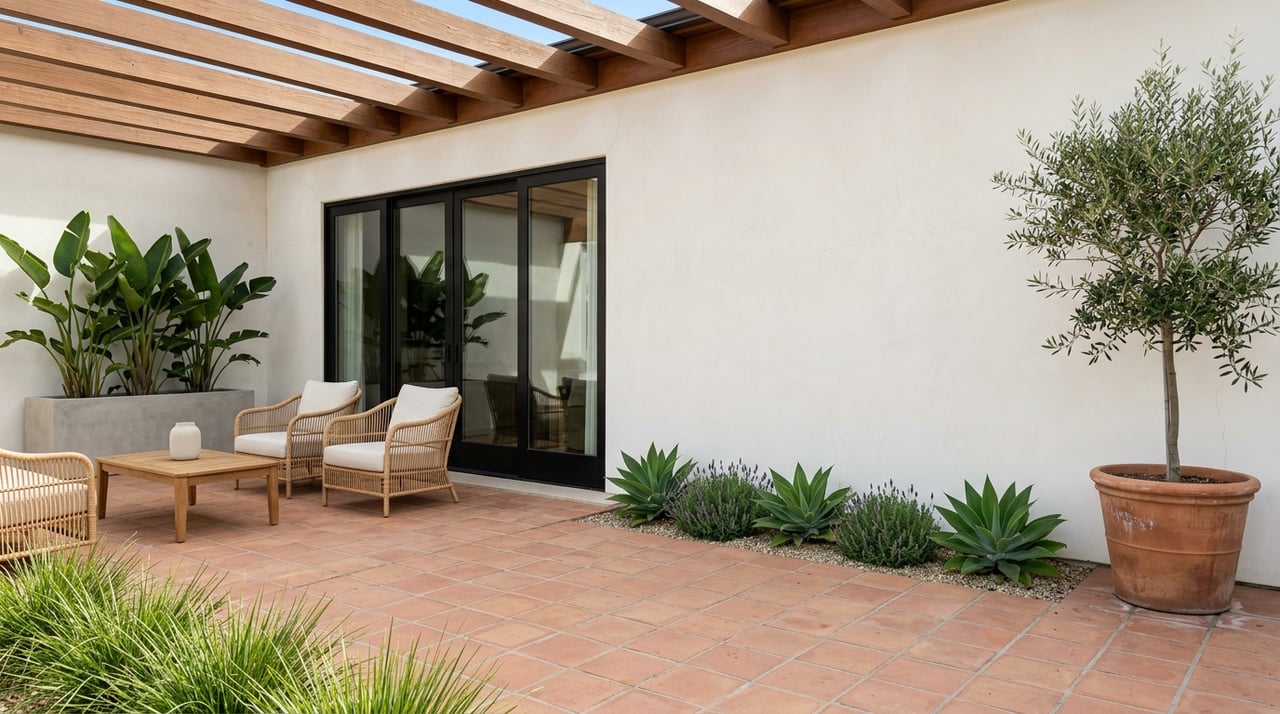
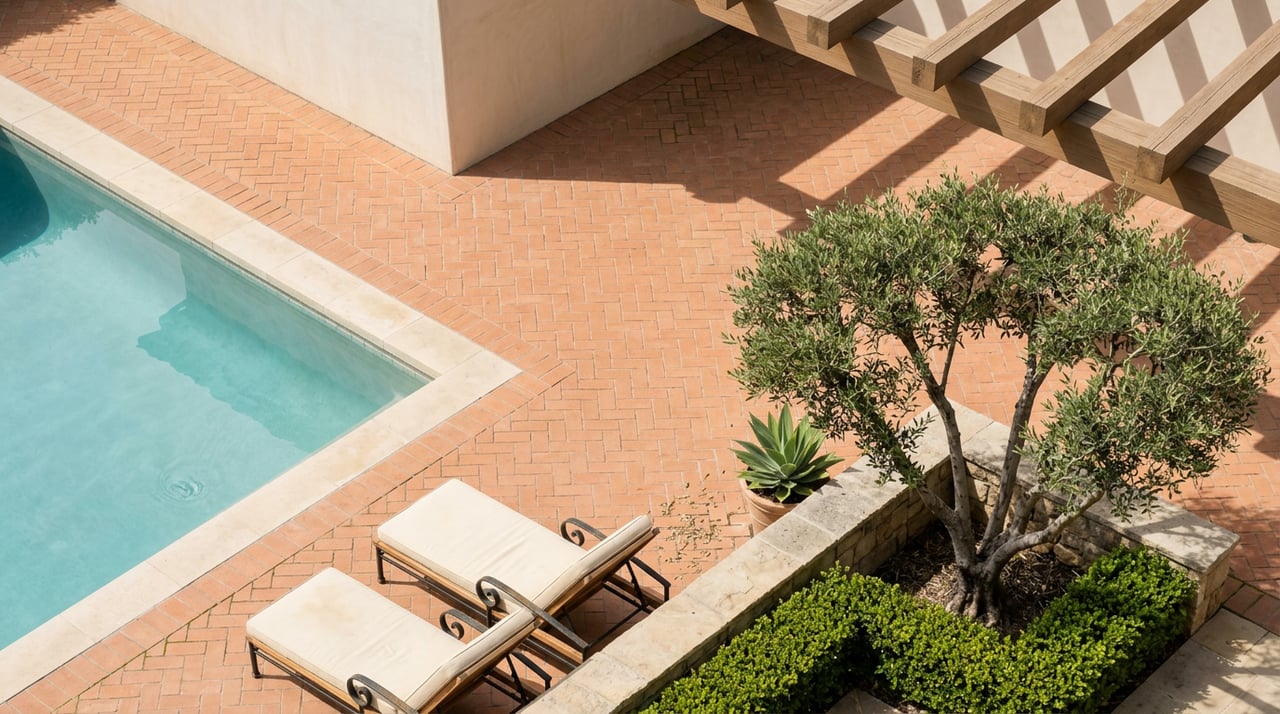
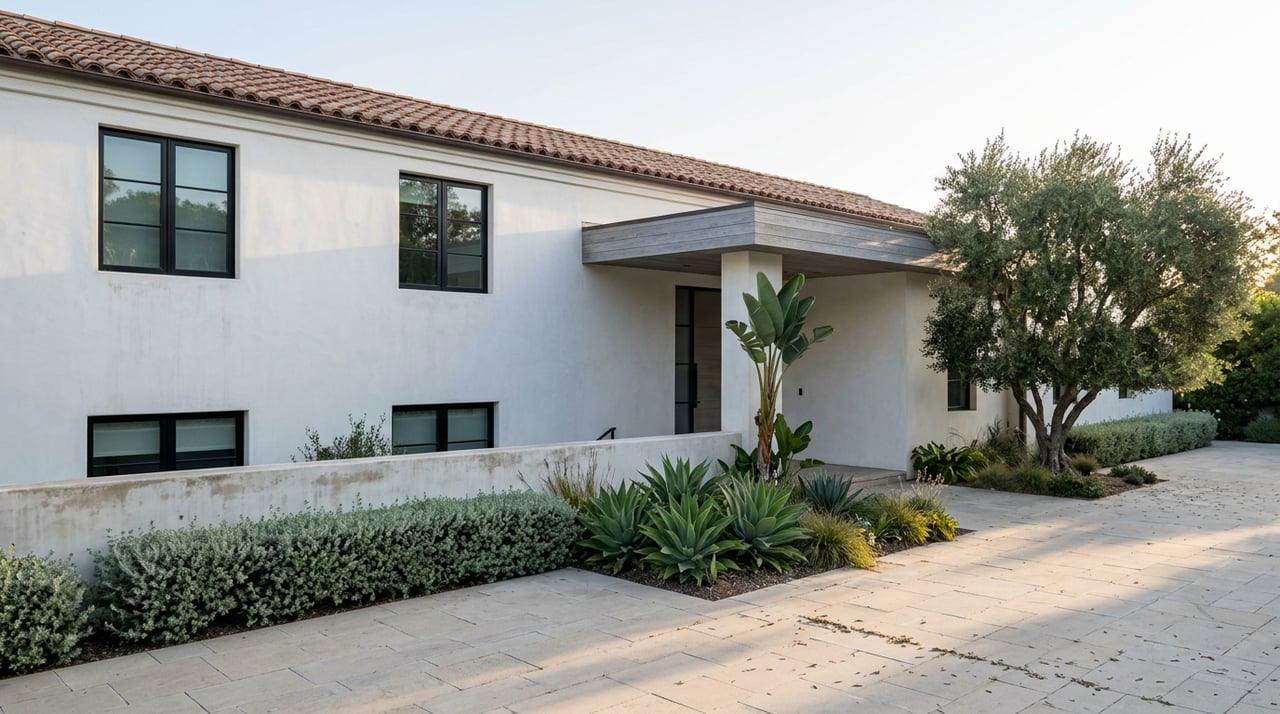
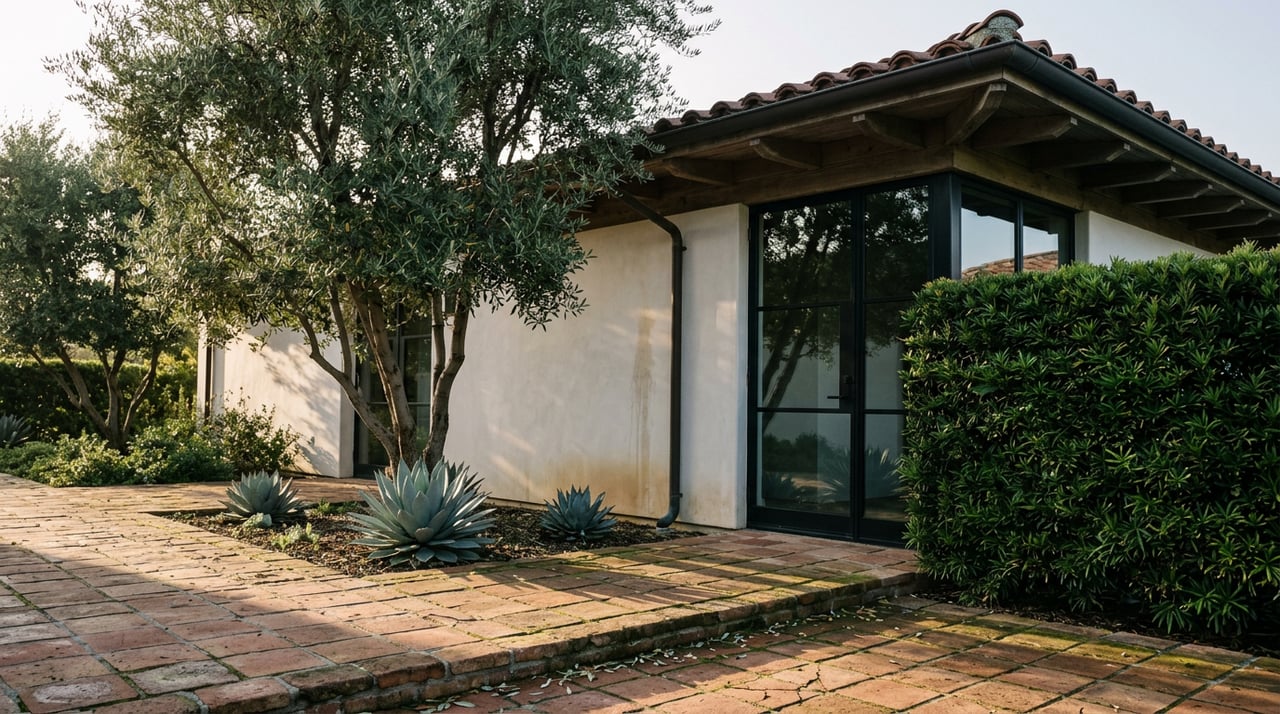
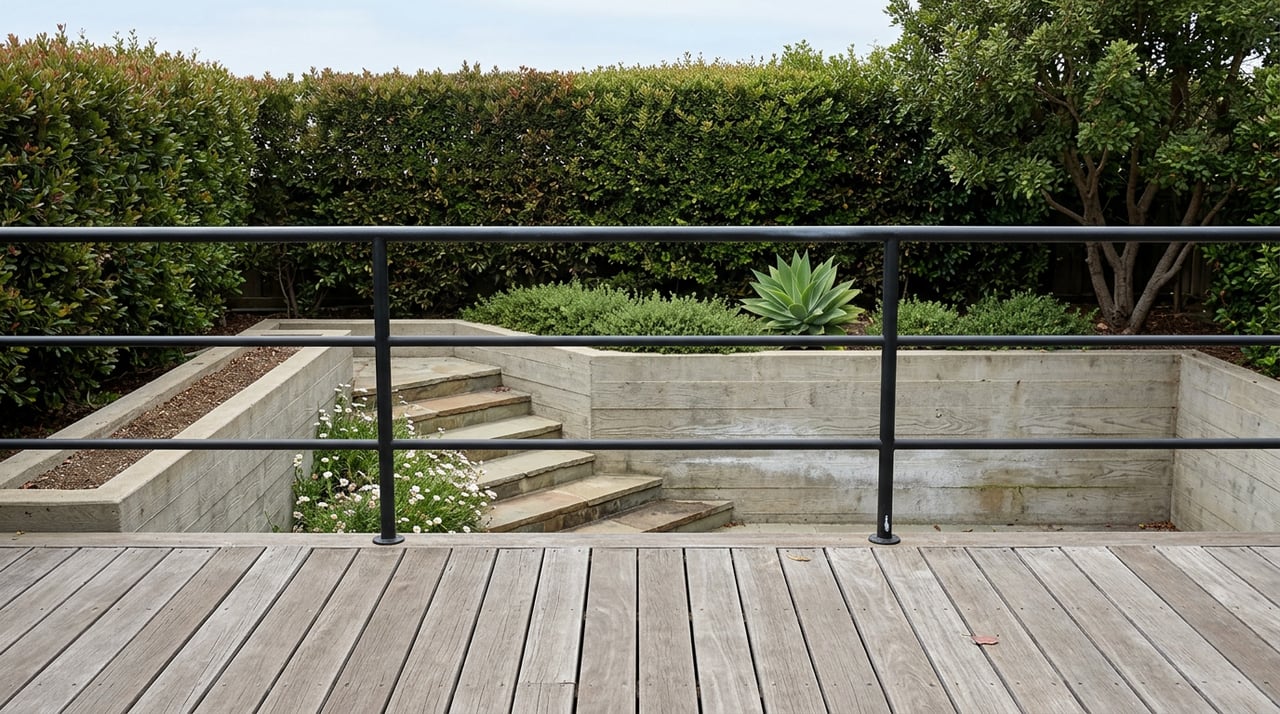
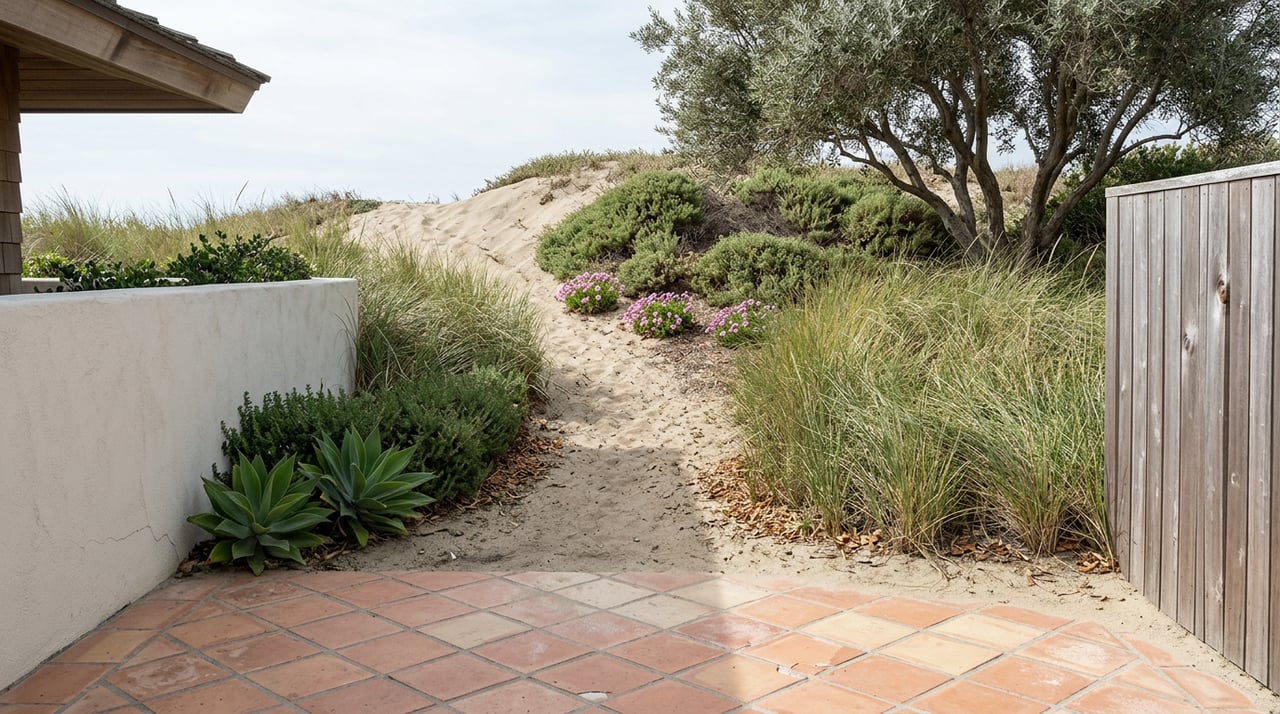
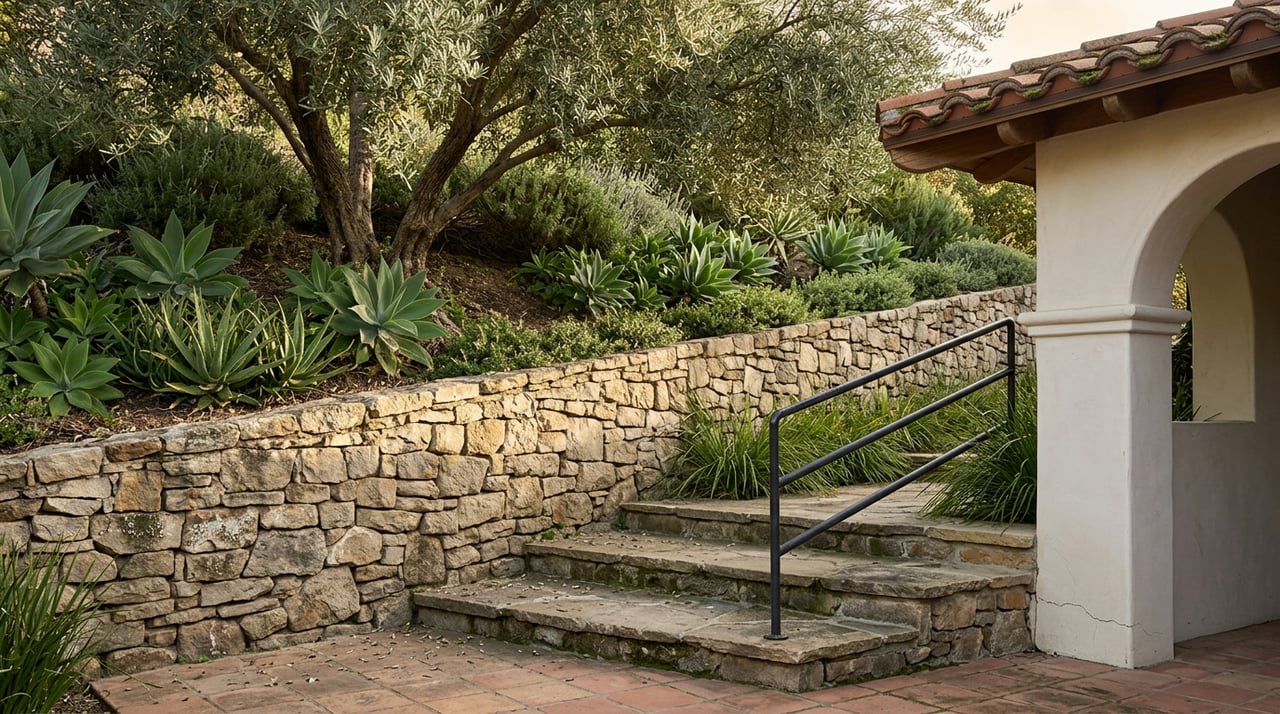
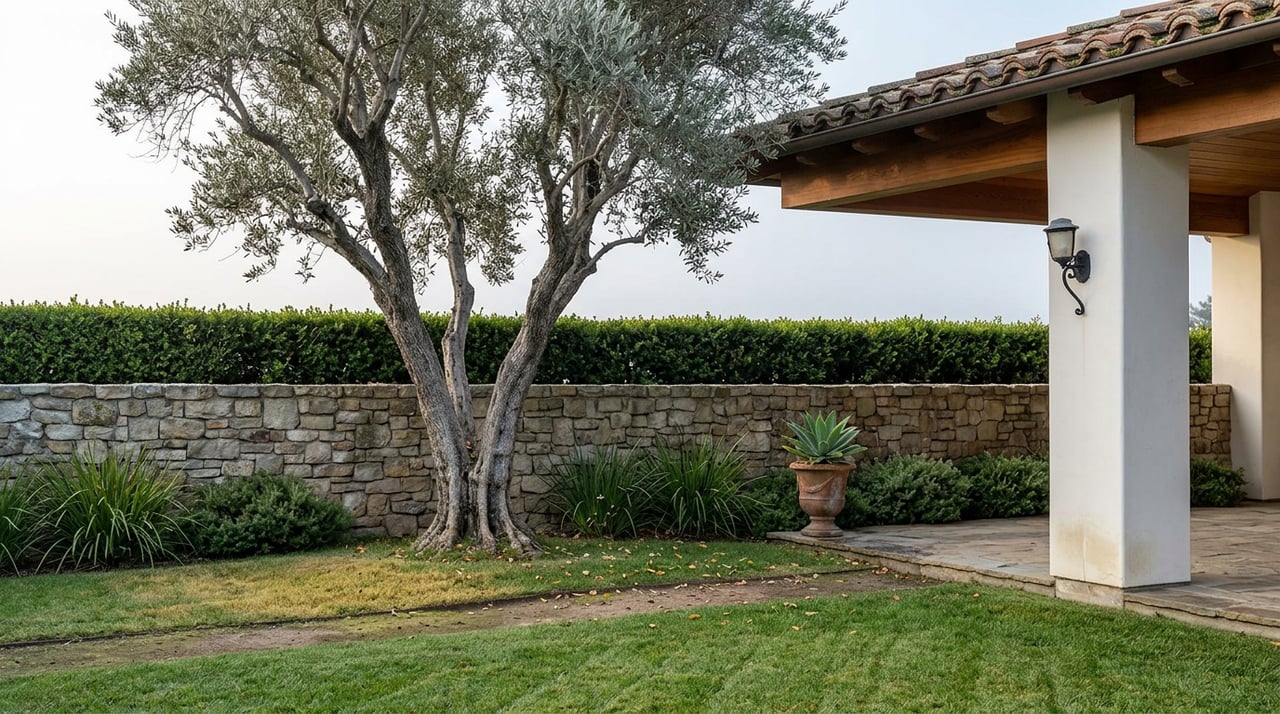
In Rancho Santa Fe, outdoor spaces often carry real weight in buyer decision-making. Driveways, entry sequences, motor courts, terraces, pools, gardens, and open land all influence first impressions and the perceived quality of the estate.
Staging is not about making a home feel generic. It is about helping buyers understand scale, flow, and lifestyle within the property.
According to the NAR 2025 Profile of Home Staging, 83% of buyers’ agents said staging made it easier for buyers to envision the property as their future home. The same report found that 29% of agents said staging increased the dollar value offered by 1% to 10%, and 49% of sellers’ agents said staging reduced time on market.
The most commonly staged spaces were the living room, primary bedroom, dining room, and kitchen. For an estate listing, those rooms often anchor the story, but depending on the property, you may also want strong attention on outdoor entertaining areas, guest spaces, a library, or a view-facing sitting room.
In a luxury sale, marketing media is part of the product itself. If the photography and visual presentation fall short, many buyers will never schedule a showing.
NAR found that buyers’ agents viewed photos as highly important 73% of the time, followed by traditional staging at 57%, videos at 48%, and virtual tours at 43%. For a Rancho Santa Fe estate, that usually means thoughtful visual coverage of the home’s architecture, grounds, privacy, and indoor-outdoor living.
This is where bespoke marketing can make a measurable difference. A polished launch should help buyers understand not just the rooms, but the rhythm of the property, how the land lives, and what makes the estate distinct in a market with few direct comparisons.
Pricing a Rancho Santa Fe estate is one of the most important decisions you will make. Because the market is low-volume and highly varied, general area averages rarely tell the full story.
The best comparable sales are usually narrow and highly specific. You want to look at recent sales with similar lot size, privacy, Covenant status, architecture, and amenities, rather than relying on broad county-level benchmarks.
This matters because two homes in the same ZIP code can perform very differently. A property’s setting, land usability, condition, and buyer appeal can have a major impact on how quickly it sells and how buyers respond to the asking price.
A strong pricing strategy should balance three goals:
Some Rancho Santa Fe sellers want the broadest possible exposure. Others place a premium on discretion. The right answer depends on your goals, timeline, and the nature of the property.
For sellers who prefer privacy, a more discreet approach may be an option. Sotheby’s states that its confidential properties platform offers access to properties not currently on the open market for a private clientele, supported by a global network of more than 1,100 offices across 86 countries and territories.
For certain architecturally significant or collector-oriented homes, a phased rollout can also make sense. That may mean private previews first, followed by a broader public launch if you want wider price discovery and exposure.
The tradeoff is straightforward. A private launch can support discretion, while a public launch can create broader visibility. Your strategy should match what matters most to you.
If your estate is within the Rancho Santa Fe Covenant, it is wise to review any planned exterior work before making changes. The Rancho Santa Fe Association architectural review process notes that the Protective Covenant is intended to preserve community character, that the Art Jury reviews development and building applications, and that changes to land contours require review and permit.
This matters if you are thinking about regrading, exterior alterations, or other visible pre-sale improvements. Addressing those questions early can help you avoid delays once your listing timeline is in motion.
It is also smart to confirm recurring Association-related costs at the start of the sale process. Depending on the property, billing can include annual HOA assessment fees, golf dues, tennis dues, clubhouse charges, and similar items, so clear documentation helps both seller and buyer move forward with fewer surprises.
Disclosure timing and completeness are critical in California. A smooth transaction often depends on getting the documentation package organized before the property goes live or before an offer is accepted.
Under California Civil Code Section 1102.3, many one-to-four-unit residential sales require a Transfer Disclosure Statement. If a required disclosure is delivered after the offer is executed, the buyer generally has 3 days after in-person delivery or 5 days after mail or electronic delivery to terminate.
The Natural Hazard Disclosure Statement requirements also cover mapped flood, wildfire, earthquake fault, and seismic hazard zones. For homes built before January 1, 2010, properties in high or very high fire hazard severity zones require a separate wildfire disclosure notice.
California law also includes newer disclosure items. As of January 1, 2026, sellers of single-family residential property must disclose known state or local requirements or restrictions related to future replacement of gas-powered appliances, and sellers with actual knowledge of tobacco or nicotine residue or smoking history must disclose that in writing under current California disclosure rules.
If the property is part of a common-interest development or has HOA-related obligations, California Civil Code Section 4525 requires delivery of governing documents to the prospective purchaser before transfer of title or contract execution. Getting those materials assembled early can help prevent late-stage friction.
Once your estate is on the market, success depends on more than just receiving an offer. The quality of the buyer, the strength of terms, timing, disclosure review, and the buyer’s overall level of confidence all matter.
In a market where inventory is limited and sales move at a different pace, negotiation should be handled with care. The goal is not just to secure a strong price, but to keep the transaction together through inspections, document review, and closing.
That is especially important for estate properties where buyers may be weighing a large financial decision, future improvements, or the implications of Covenant-related ownership. Clear communication and thorough preparation can reduce uncertainty and strengthen your position throughout escrow.
One of the most common questions is how long a Rancho Santa Fe estate may take to sell. While every property is different, the local data suggests patience is often part of the process.
Redfin reported 145 median days on market in Rancho Santa Fe in March 2026. In other words, sellers should plan for a market timeline that may be longer than the broader county and build a strategy that supports staying power, not just launch-day momentum.
That is why pricing, presentation, and positioning matter so much at the start. In a thin luxury market, you do not always get endless chances to reset the conversation once buyers form their first impression.
Selling an estate in Rancho Santa Fe takes more than listing the property and waiting for the right buyer to appear. It takes a measured plan, a clear understanding of the micro-market, polished presentation, and disciplined execution from pricing through closing. If you are thinking about your next move and want a tailored strategy for your property, Kathleen Gelich can help you evaluate your home, your timing, and the right path to market.
Stay up to date on the latest real estate trends.
We are dedicated to helping you find your dream home and assisting with any selling needs you may have. Contact us today to start your home searching journey!