Living in La Jolla: Beaches, Dining & Daily Life
February 5, 2026
February 5, 2026
Thinking about a move to La Jolla but wondering what day-to-day life really feels like beyond the Instagram views? You are not alone. Whether you are exploring a second home, planning a long-term move, or preparing to sell, you want a clear picture of beaches, dining, neighborhoods, and the coastal rules that shape value. This guide walks you through how locals live, where people spend their time, and what to consider before buying or selling. Let’s dive in.
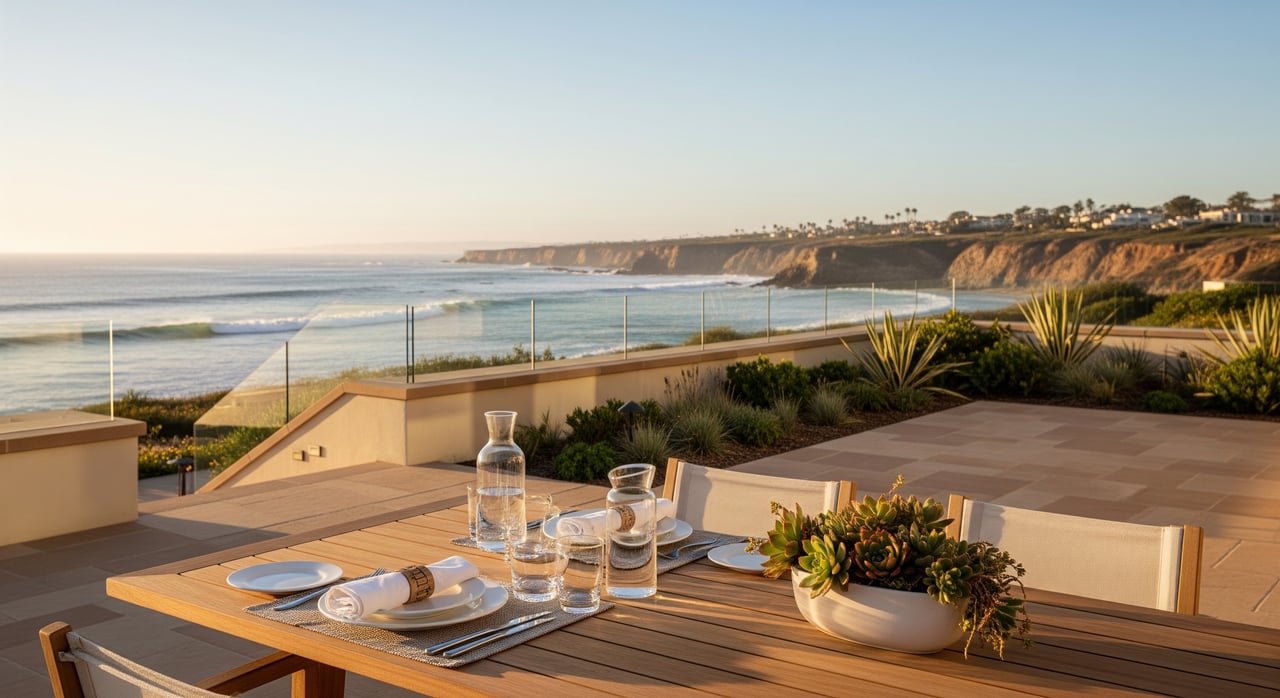
La Jolla sits on a dramatic stretch of San Diego’s coastline with coastal bluffs, pocket beaches, and a walkable village core. The area attracts an affluent, highly educated community that includes families, professionals, and retirees. Seasonal visitors and second-home owners add energy in peak months. Major institutions like UC San Diego, Scripps Institution of Oceanography, Salk Institute, and Scripps Research contribute to the area’s culture and housing demand.
La Jolla Cove is known for snorkeling, clear water, and marine life viewing. The surrounding ecological areas are protected, so recreation is respectful and low-impact. Expect visitor activity, especially on weekends and holidays.
La Jolla Shores offers a long, sandy beach and an easygoing vibe. You will find space for long walks, stand-up paddleboarding, and beginner surf lessons. Kellogg Park sits just behind the beach for picnics and play.
Windansea is a famed surf reef with dramatic rock formations and a more rugged setting. Children’s Pool, a seawall-protected cove, serves as a haul-out site for seals and sea lions. Public access and protections vary by season and wildlife needs.
Adjacent to La Jolla, Black’s Beach is known for its powerful waves and more remote access. Much of the nearshore environment sits within protected areas, including the La Jolla Ecological Reserve. Some activities such as fishing or anchoring are restricted in protected zones, and it is important to follow posted guidance.
Prospect Street and Girard Avenue anchor the local dining and retail experience. You will find upscale seafood, California farm-to-table concepts, cafés, bakeries, and boutique retail. Galleries and public art add to the pedestrian appeal.
The village favors independent shops and services such as salons, specialty grocers, and fitness studios. Larger-format shopping typically means a short drive beyond the core village. Weekly farmers markets and community events are common, and schedules change seasonally.
The village core combines walkable streets with cafés, galleries, and services. Housing includes single-family homes, low-rise condos, and luxury townhomes. The Cove area concentrates ocean-view properties and boutique condominiums with more visitor traffic nearby.
Near the beach, you will see a mix of beachfront condos, single-family homes, and low-density apartments. The layout is more open than the village, with easy access to water sports and Kellogg Park.
Set in the hills just north of the village, these pockets offer larger lots and many mid-20th-century homes. Elevated positions often deliver ocean views and a quieter residential feel.
Bird Rock blends a small-village atmosphere with local cafés, boutiques, and a range of craftsman homes, condos, and newer infill. It sits close to the coast with cliffside viewpoints and pocket beaches.
Windansea includes classic beach cottages alongside upscale homes near the iconic reef break. La Jolla Farms, set on the mesa, features larger estates and privacy-oriented streets.
These elevated neighborhoods provide inland access, campus proximity, and wider views. Home types range from single-family to smaller multifamily and mid-century residences.
Public schools serving La Jolla are part of San Diego Unified School District. Commonly associated campuses include La Jolla Elementary, Muirlands Middle School, and La Jolla High School. Parts of northern La Jolla may be served by Torrey Pines High School. Attendance zones can change, so it is important to verify current boundaries directly with the district.
Private options include The Bishop’s School and La Jolla Country Day School. For higher education and research, UC San Diego, Scripps Research, and the Scripps Institution of Oceanography anchor a robust academic presence. These institutions influence commuting patterns, rental demand, and cultural programming.
Interstate 5 provides primary access to the east, with La Jolla Parkway, Torrey Pines Road, and coast-parallel streets connecting local pockets. Beach congestion and limited parking are common during peak seasons, especially near the village and Shores. Paid lots, metered parking, and residential zones are typical near beaches.
San Diego Metropolitan Transit System buses serve the area with varying frequency by neighborhood. UC San Diego operates shuttles for campus routes. Walkability is strongest around the village and Shores. Hillside streets can be steep with limited sidewalks in places. San Diego International Airport lies about 15 to 20 miles away by road, depending on route and traffic.
You have access to comprehensive medical care through Scripps Memorial Hospital La Jolla and UC San Diego Health facilities. Specialty clinics and outpatient services are available around the community. Standard San Diego Police and Fire services cover La Jolla, and response times can be influenced by coastal topography, bluff access, and narrow streets.
La Jolla ranks among San Diego County’s highest-value markets. Scarcity of oceanfront land, proximity to research institutions, and limited new development opportunities influence pricing. Luxury coastal markets can show seasonal shifts and slower turnover at the very top of the price range.
Coastal oversight is a key part of due diligence. Projects in the Coastal Zone often require compliance with the City of San Diego’s community planning rules and California Coastal Commission policies. Historic or neighborhood conservation overlays can guide materials, design, or scope of work for older properties. If you are evaluating a bluff-top home or major remodel, expect geotechnical studies and engineering solutions for erosion and stability.
Environmental resilience is part of long-term planning. Coastal erosion, bluff stability, and sea level rise can influence insurance, project timelines, and resale considerations. Protected wildlife habitats and tidepools require responsible recreation and adherence to posted regulations. For short-term rentals, city licensing and local enforcement shape what is allowed and where.
Start at La Jolla Shores for a morning walk on the sand or a stand-up paddle session. Grab lunch in the village, then return for tidepool viewing near the Cove if conditions allow. Wrap up with a sunset perch overlooking the water. Always follow posted guidelines for protected areas.
Visit the Museum of Contemporary Art’s La Jolla location, then stroll galleries along Prospect and Girard. In the evening, catch a production at La Jolla Playhouse or a performance presented by La Jolla Music Society. Enjoy dinner within walking distance to keep the day relaxed.
Hike Torrey Pines State Natural Reserve in the morning for sweeping coastal views. In the afternoon, explore the Scripps Institution of Oceanography area or watch surfers from a viewpoint. Golfers can plan a round nearby if tee times align.
If you value a coastal lifestyle woven with arts, science, and outdoor living, La Jolla delivers a refined yet easygoing rhythm. You can live steps from cafés and galleries or choose a hillside retreat with panoramic views. As you explore homes, keep coastal permitting, parking dynamics, and neighborhood character in focus.
If you are considering a purchase or planning a strategic sale, connect with a senior-led team that understands coastal regulations, design review, and high-impact marketing. For discreet guidance and a tailored plan, reach out to Kathleen Gelich.
Stay up to date on the latest real estate trends.
We are dedicated to helping you find your dream home and assisting with any selling needs you may have. Contact us today to start your home searching journey!