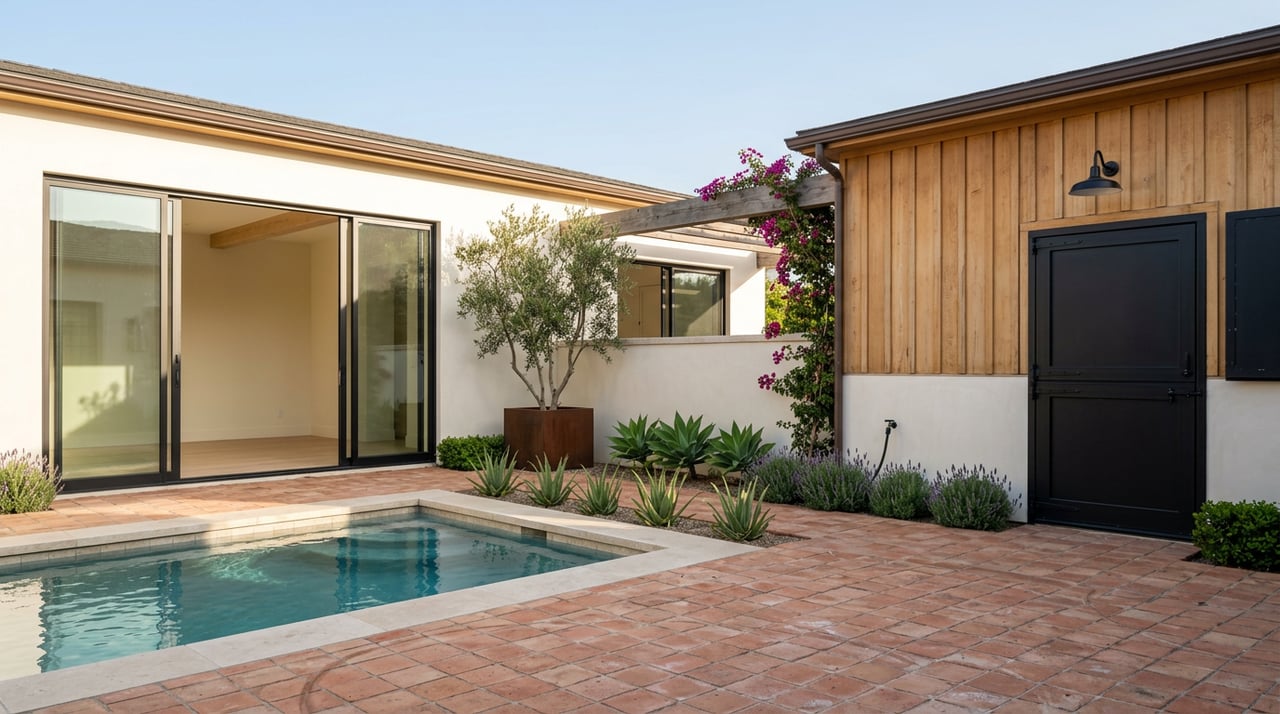
Del Mar Equestrian And Coastal Estate Living
March 24, 2026
March 24, 2026
Love the idea of riding in the morning and watching the sun set over the Pacific in the evening? If you’re drawn to both barn life and beach days, Del Mar offers a rare blend of equestrian culture and coastal estate living. In this guide, you’ll learn how the racetrack, fairgrounds, and nearby horse communities connect with oceanfront and village neighborhoods, plus what to know about permits, coastal risks, and market signals. Let’s dive in.
Del Mar is a compact seaside city with roughly 4,000 residents within about 2.2 square miles, according to the city’s profile. That scale creates an intimate village feel with a high concentration of signature amenities and coastline. You can explore the city’s overview for a quick sense of place on the official City of Del Mar page.
The market sits in the ultra-luxury tier compared with greater San Diego. Trackers vary by method and timing, so think in ranges rather than a single number. For example, Redfin’s Del Mar market page reported a median sale price near the $4.0 million mark in early 2026, while Zillow’s ZHVI and ATTOM have shown typical values in the mid-$3 million range over similar windows. If you’re buying or selling, use live MLS data to confirm current values.
Three public assets shape daily life and seasonality here: the Del Mar Thoroughbred Club racetrack, the Del Mar Fairgrounds, and the Del Mar Horsepark. The racetrack is the region’s marquee venue for summer and fall meets, with calendars and programs published by the Del Mar Thoroughbred Club. The Fairgrounds host the San Diego County Fair and major events across the year, plus Horsepark programming as managed by the 22nd District Agricultural Association. Find the complex’s background on the Del Mar Fairgrounds site.
Racing season adds a festive cadence to summers and select fall dates. Opening day style, special stakes weekends, and trackside dinners infuse the village with energy, dining reservations, and a social calendar that pairs well with coastal evenings. For programs and dates, go to the DMTC season page and plan around race weeks if you prefer quieter viewings or move-in timing.
The Fairgrounds operate multiple venues, including the Horsepark, which has historically hosted shows, boarding, and temporary stalls during major events. In recent years, water-quality compliance shaped operations and event siting. In 2021, the Fair Board discontinued equestrian shows at Horsepark to address environmental concerns, as reported by The Coast News. The result is a flexible, regional ecosystem where promoters and riders coordinate across the main Fairgrounds and Horsepark as programming evolves. See the complex’s background on the Fairgrounds overview.
Del Mar and its immediate inland communities support year-round training and boarding. Local facilities typically offer combinations of box stalls, pipe corrals, arenas, turnouts, tack rooms, wash racks, and farrier-vet access. One example is Ridgemar Equestrian in Del Mar, a full-service training and boarding center. Many owners who need acreage use nearby Rancho Santa Fe and Fairbanks Ranch for private barns and arenas, then trailer to Del Mar venues for shows or events.
Olde Del Mar, the Beach Colony, and select bluff-top pockets deliver ocean views, village proximity, and the classic beach lifestyle. Lots are typically modest by ranch standards, so you prioritize architecture, views, and access to shoreline paths. When shopping, consider bluff stability, past shoreline permit history, and proximity to public beach access points, which you can preview on the city’s Beaches and Parks page.
If you want a lock-and-leave home near restaurants and shops, the Village and Camino Del Mar corridor offer townhomes and small single-family residences close to Powerhouse Park and the beach. This setup pairs well with a boarding or training relationship, so your daily rhythm can be a ring ride in the morning and a seaside stroll later the same day.
Buyers who need 5 or more acres, private barns, arenas, and trail systems usually focus on Rancho Santa Fe and Fairbanks Ranch just minutes inland. These communities maintain trail networks and organize riding through local clubs, such as the Rancho Riding Club within the Rancho Santa Fe Association. For context on facilities and traditions, review the Rancho Riding Club page. Many households split the lifestyle: a coastal primary or second home in Del Mar plus a dedicated equestrian estate inland.
A common routine is early riding or a trail hack inland, then lunch in the Village, followed by a walk at Powerhouse Park or Del Mar City Beach. The town’s compact size makes it easy to combine barn time and beach time without a long drive.
During summer race meets and the San Diego County Fair, expect visitor surges, high restaurant demand, and event-week traffic near the Fairgrounds. If you prefer calmer viewings, schedule showings around the meet calendar on the DMTC site. Residents often plan errands outside peak arrival windows or enjoy the festivities and book dinners well ahead.
Long-running beachfront restaurants near Powerhouse Park anchor the local dining scene, and the village offers a range of upscale and casual options. You can keep evenings low-key with coastal walks or opt into trackside events on race nights. The blend is flexible enough for both quiet routines and social calendars.
Buying or selling in Del Mar rewards careful preparation. On the coast side, sea-level rise, bluff stability, and shoreline permitting are essential due diligence topics. The city’s Sea-Level Rise page outlines local adaptation planning and the role of the Local Coastal Program, which can affect future protection strategies. For oceanfront or bluff homes, consider specialized coastal inspections, flood-zone checks, and a review of any historic permits for bluff work.
If your plans include horses, confirm you can meet local rules for animal waste and stormwater best practices. Del Mar’s municipal code and guidance address confined animal facilities and site compliance; review the city’s stormwater and animal waste management document and coordinate with your agent and contractors before installing stalls, arenas, or turnouts. For many owners, boarding at a professional facility is the simplest path to combining barn life with a Del Mar address.
Use this quick list to frame your plan and timeline:
Few coastal towns combine a compact, walkable village, an internationally known racetrack, and immediate proximity to high-end horse country. The Del Mar Thoroughbred Club and Del Mar Fairgrounds anchor that identity, while nearby Rancho Santa Fe and Fairbanks Ranch deliver the acreage and riding networks serious equestrians need. For you, that means you can curate a lifestyle where the turf and the surf truly coexist.
Ready to align a coastal property strategy with your equestrian goals? For confidential guidance, senior-level representation, and bespoke marketing or search support, connect with Kathleen Gelcich.
Stay up to date on the latest real estate trends.
We are dedicated to helping you find your dream home and assisting with any selling needs you may have. Contact us today to start your home searching journey!