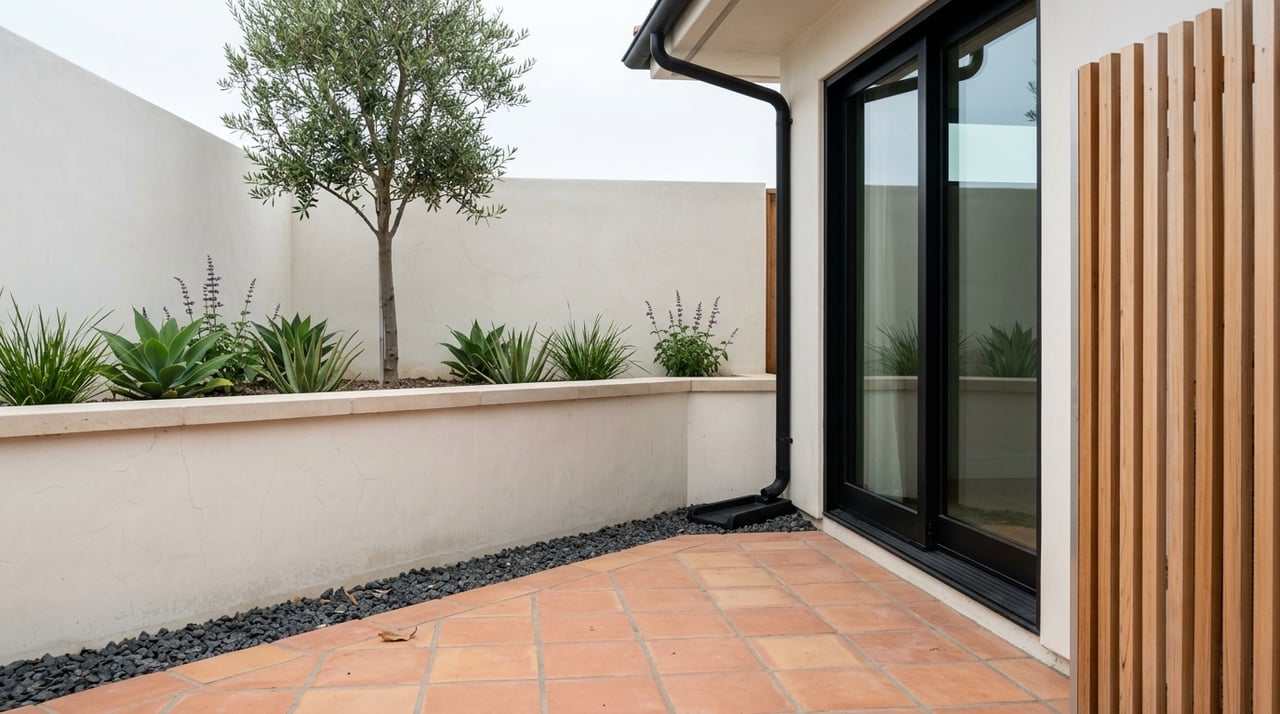
Preparing A Del Mar Bluff-Top Home For Sale
May 14, 2026
May 14, 2026
Selling a Del Mar bluff-top home is not like selling a typical coastal property. Buyers are often just as focused on hazard disclosures, permit history, and site stability as they are on the view, finishes, or floor plan. If you want to enter the market with confidence, the right preparation can help you present your home clearly, reduce avoidable questions, and support a smoother sale. Let’s dive in.
In Del Mar, bluff-top properties sit within a very specific planning and regulatory context. The city’s coastal resilience planning identifies coastal bluffs as vulnerable to sea-level-rise-related impacts, and the city monitors bluff-edge movement in relation to private development, infrastructure, and nearby coastal systems.
That matters when you sell because buyers tend to evaluate these homes through a different lens. They are often thinking about long-term usability, documentation, and future limitations before they focus on cosmetic updates.
The Coastal Act adds another layer. Coastal guidance emphasizes protection of scenic and visual qualities, protection of ocean views, minimal alteration of natural landforms, and structural stability without creating a need for bluff-altering protective devices.
Before you schedule photography or make a punch list, gather the records a serious buyer is likely to request. On a Del Mar bluff-top listing, a well-organized file can do more to build confidence than an extra round of staging.
Del Mar’s Coastal Bluff Overlay Zone applies to properties with coastal bluffs or vulnerable slopes identified by best available science. City materials state that real estate transactions within the overlay must disclose that the property is in the Coastal Bluff Overlay Zone.
If your property is in the overlay, this should be handled early and accurately. If it falls within the transitional subarea, city materials say that area is disclosure-only and not subject to the bluff-zone permit rules, which is an important distinction for buyer conversations.
If your home is within Del Mar’s Floodplain Overlay Zone, that also requires disclosure in a real estate transaction. The city’s flood-related materials note that current FEMA-based flood study work accounts for coastal factors like wave action, dune erosion, wave setup, wave run-up, seawall overtopping, and overland wave propagation, but not projected sea-level rise.
That means precise language matters. It is better to rely on current city hazard documents than broad assumptions about what a coastal location may or may not mean.
For many single-family residential sales in California, the Real Estate Transfer Disclosure Statement applies and cannot be waived. California’s Natural Hazard Disclosure Statement is also designed to identify whether a property lies in mapped hazard areas such as special flood, dam inundation, high or very high fire, wildland fire, earthquake fault, or seismic hazard zones.
These forms are standard, but on a bluff-top property they often carry extra weight. Buyers may read them alongside local bluff and flood documentation to understand both current conditions and possible future constraints.
On a coastal bluff property, permit history is often one of the first places a buyer will look. Even modest work can raise questions if the home is in the coastal zone.
According to the California Coastal Commission, development in the coastal zone generally may not begin until a coastal development permit has been issued, and the term development is broad. It can include construction, demolition, grading, removal of major vegetation, subdivision, fencing, gates, and certain access-control changes.
For sellers, this means pre-listing improvements should be chosen carefully. It also means your listing package should account for any past work that may have triggered permits.
Del Mar’s coastal development permit materials specifically ask whether a project includes construction, replacement, or improvement to a shoreline protective device such as a seawall or revetment. That is a strong signal that buyers and their advisors will want a clear record of prior shoreline-related work.
Try to collect records for:
If permits are incomplete or records are hard to locate, it is still better to identify that early. Surprises found during escrow usually create more friction than issues addressed upfront.
On many Del Mar bluff-top properties, geologic review belongs near the top of the pre-listing checklist. This is often one of the first areas sophisticated buyers investigate.
Del Mar’s bluff-related materials note that bluff-zone development is subject to geotechnical studies, best available science, and additional bluff-edge setbacks. City permit materials also call for geotechnical reports describing soil and geological conditions and referencing prior reports.
You may not need new reports in every case, but you should understand what already exists for your property. If there are older geotechnical studies, prior engineering work, or site evaluations, gather them and review them before the home goes live.
When preparing a bluff-top home, not every pre-sale project adds value. In this setting, low-impact work is usually a safer and more practical path than anything that changes the site in a visible way.
Del Mar’s design guidance recommends minimizing grading, reducing structural bulk on hillsides and upslope lots, avoiding wholesale removal of existing trees and plants, and preserving mature landscaping where possible. That framework supports a conservative approach to pre-listing improvements.
For many bluff-top homes, the most useful prep items include:
These updates help the property show well without inviting unnecessary questions about site alteration. They also support a cleaner, more polished buyer experience.
Large grading projects, bluff reshaping, major vegetation removal, or visible changes near the bluff edge can create more complexity than value. Because coastal development rules are broad, even well-intended work should be reviewed carefully before you start.
If the property includes a seawall, revetment, retaining wall, or another shoreline protective device, document its condition, available permits, and any known maintenance obligations. Buyers will likely ask.
In Del Mar, the view is a major part of the value story, but it should be marketed with care. Bluff-top buyers are drawn to open horizons and coastal outlooks, yet they also want realistic information.
Del Mar’s design guidelines reflect a view-protection philosophy and quantify acceptable view obstruction by view type. For a listing, that means photography should capture the actual experience of the property rather than imply certainty about future conditions.
Strong marketing for a bluff-top property should:
This kind of presentation tends to attract better-qualified buyers. It also reduces disappointment when buyers visit in person.
Del Mar’s design guidance notes that privacy should be addressed early in design, with window and deck placement preferred over after-the-fact screening solutions. While that guidance is design-focused, it also offers a useful cue for pre-sale marketing.
Photography and staging should respect neighboring properties and avoid intrusive sightlines. Clean angles, thoughtful furniture placement, and selective framing can help you present both the view and the home’s sense of privacy.
Serious buyers of Del Mar bluff-top homes usually arrive with detailed questions. The more clearly you can answer them, the more credible your listing becomes.
Common questions often include:
Having these answers organized does not mean you need to overcomplicate the sale. It means you are meeting the market where informed coastal buyers already are.
For a Del Mar bluff-top home, preparation is less about hiding complexity and more about managing it well. Cosmetic polish still matters, especially in the luxury market, but documentation, site understanding, and accurate presentation often shape buyer confidence first.
That is why a senior-led strategy matters. When your home is rare, high-value, and technically nuanced, every decision before launch can influence how the market responds.
If you are considering selling a bluff-top property in Del Mar, Kathleen Gelich offers private, senior-level guidance on positioning, documentation strategy, and bespoke marketing tailored to exceptional coastal homes.
Stay up to date on the latest real estate trends.


We are dedicated to helping you find your dream home and assisting with any selling needs you may have. Contact us today to start your home searching journey!