June 4, 2026
June 4, 2026
If you have ever wondered why homes in La Jolla feel so closely tied to the landscape, the answer starts with the land itself. This is a community where ocean bluffs, canyons, hillsides, and sweeping Pacific views shape not just the scenery, but the homes you see and the way people live in them. If you are exploring La Jolla as a buyer, seller, or design-minded homeowner, understanding that connection can help you read the market with more clarity. Let’s dive in.
La Jolla spans roughly 5,718 acres on the western edge of San Diego’s north coastal region, and the city describes it as about 99 percent built out. That single fact tells you a lot about the housing story here. In La Jolla, change usually comes through remodeling, restoration, infill, or selective replacement rather than large-scale new development.
The setting is dramatic and highly specific. The community is defined by rugged ocean bluffs, beaches, steep canyons, and hillsides rising to Mount Soledad. Daily life also tends to organize around the Village, Shores, and Bird Rock, which act as the area’s main commercial districts.
That physical setting has a direct effect on architecture. In La Jolla, view corridors, slope conditions, and coastal exposure are not small design details. They are often the starting point for how a home is planned, renovated, and valued.
La Jolla’s climate supports a version of coastal living that is more nuanced than simply opening every wall to the ocean. Offshore San Diego weather data shows mean temperatures in the high 50s in winter and the mid-60s in late summer, with substantial overcast or obscured conditions in late spring and summer.
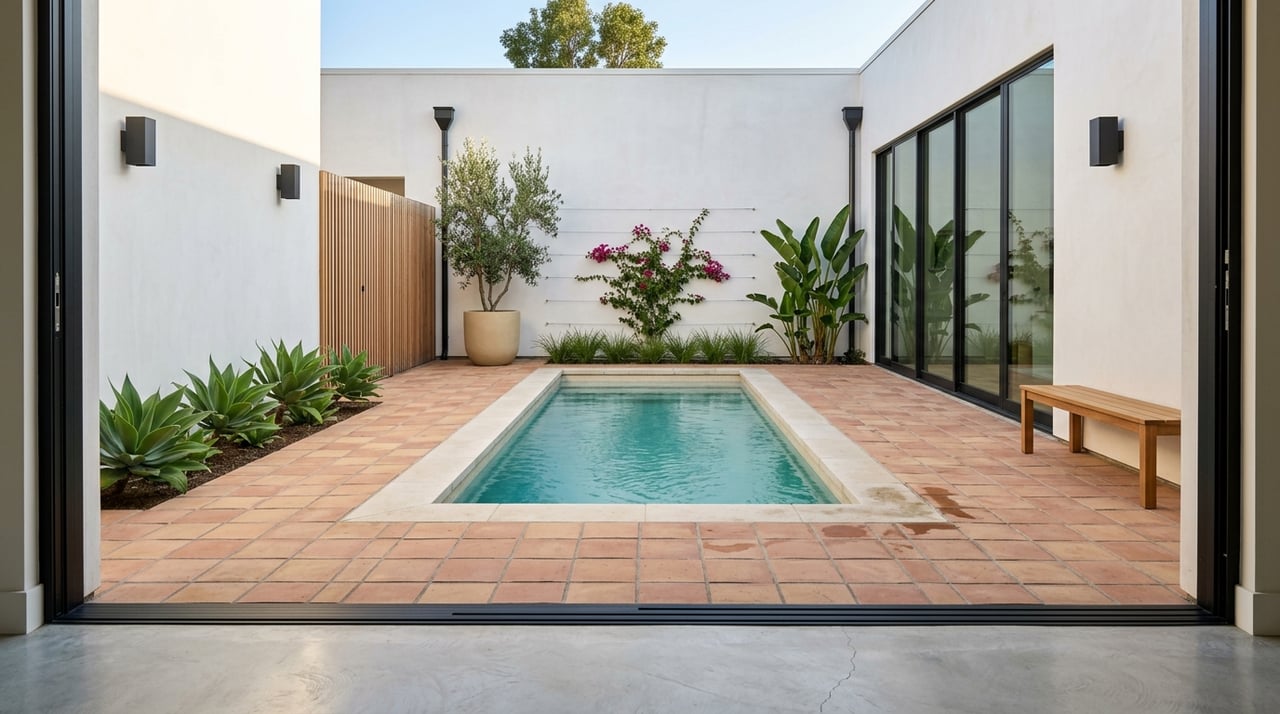
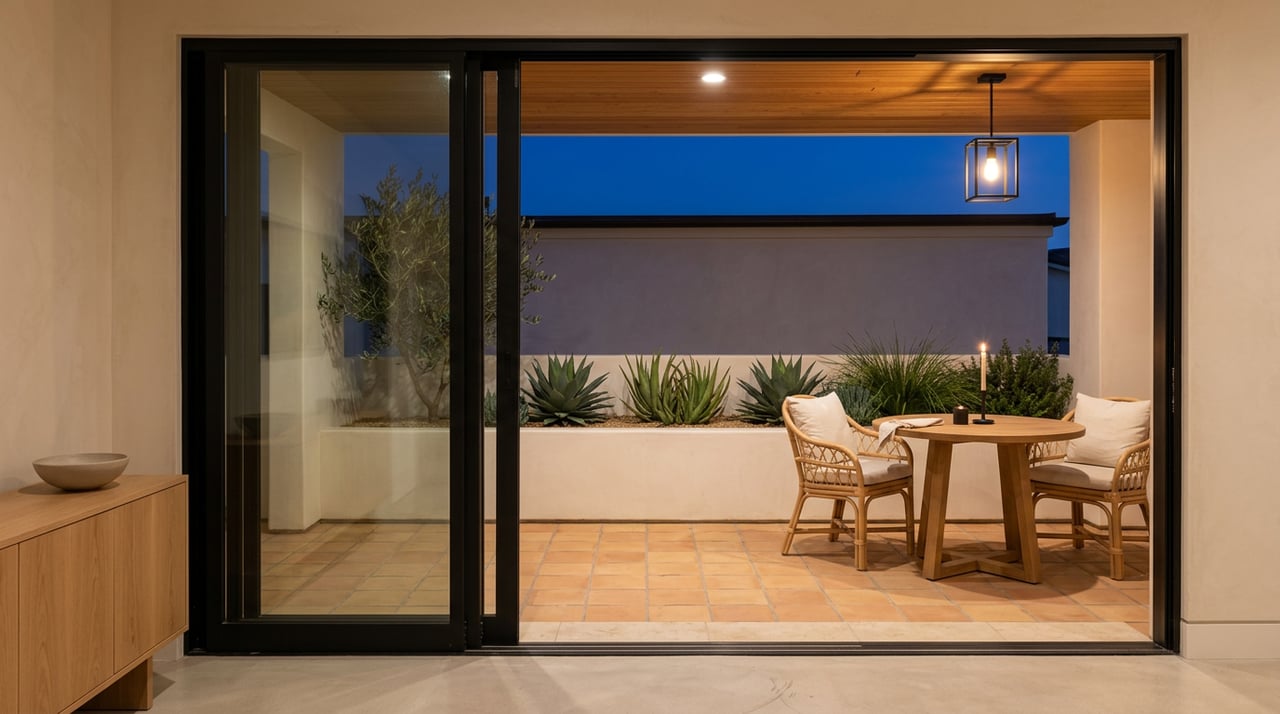
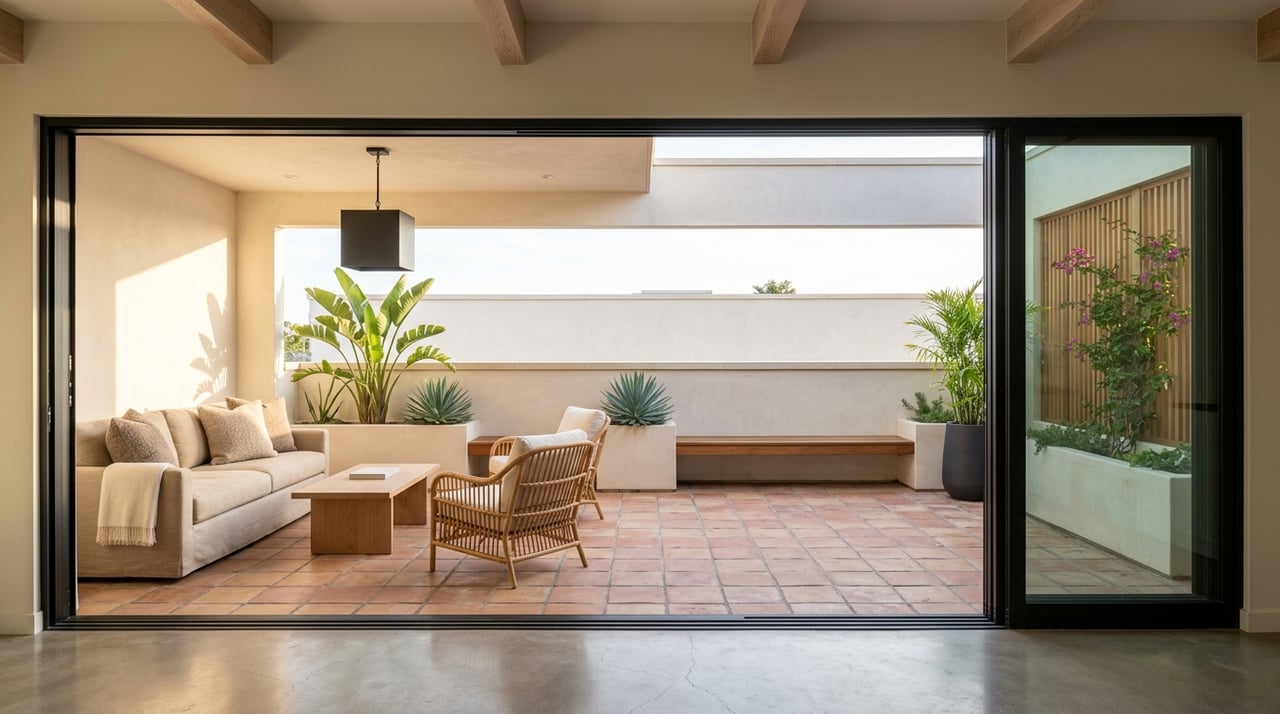
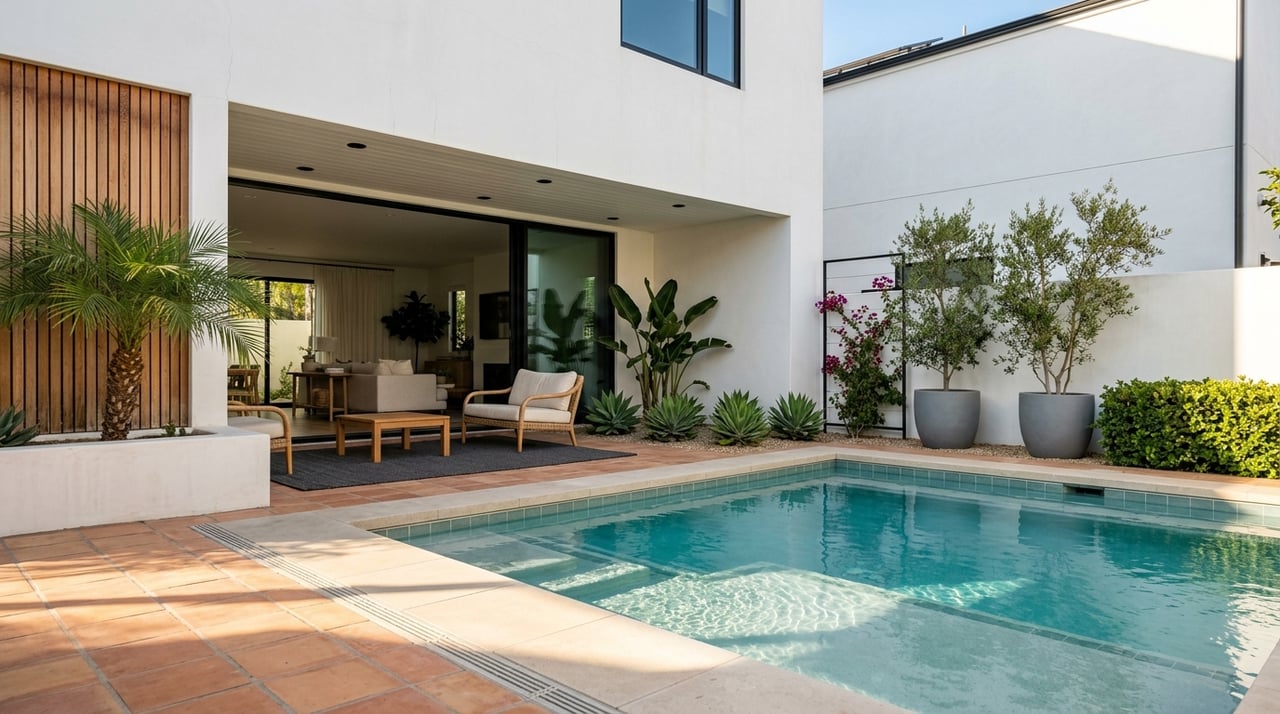
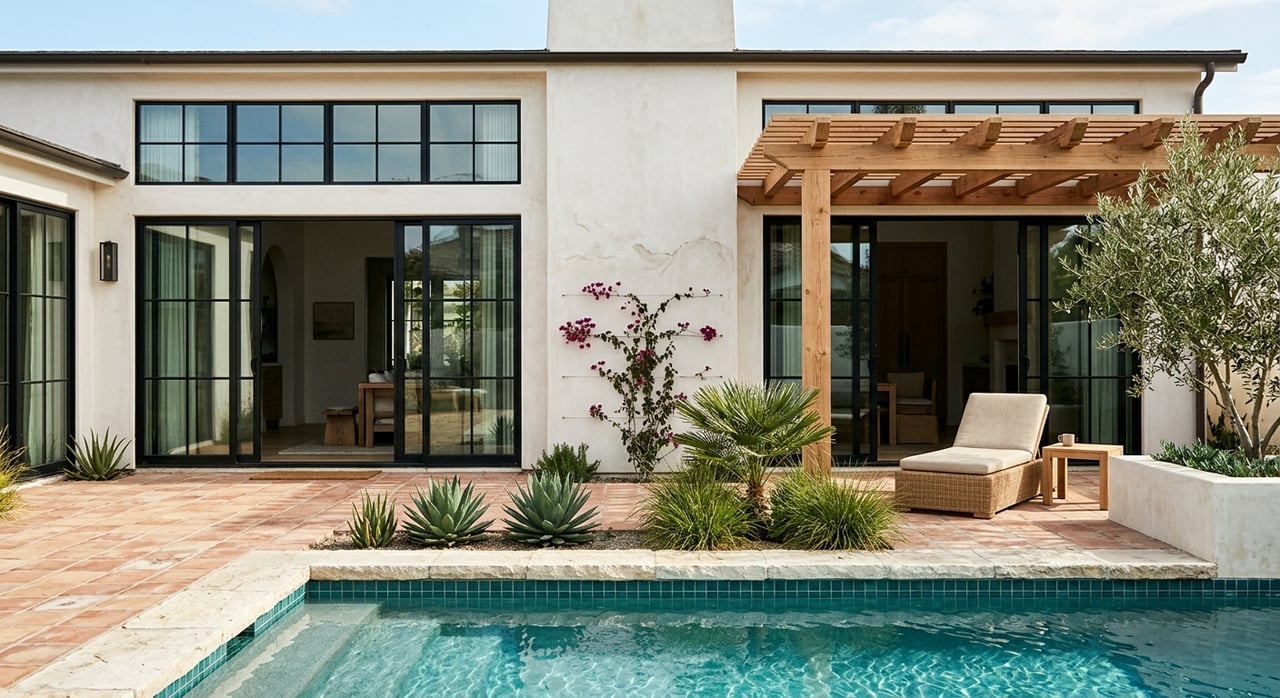
That helps explain why so many homes here emphasize patios, terraces, courtyards, and sheltered outdoor spaces. Rather than relying only on wide-open yards, many La Jolla properties create protected places to enjoy light, air, and views in a more comfortable way. It is a practical response to the local climate, and it has become part of the area’s design identity.
One of the most interesting things about La Jolla is that it does not belong to a single architectural style. Instead, its character comes from several eras layered together across the community. That gives the neighborhood a richer and more collected feel than places defined by one period of development.
La Jolla’s earliest residential pattern included small summer cottages near the coast and within the Village. According to the La Jolla Historical Society, Craftsman-style beach cottages were the local vernacular in the late 19th and early 20th centuries.
That matters because it gives La Jolla an architectural origin rooted in simple coastal living. Before grand homes and larger estates took center stage, the area was defined by modest, low-scale dwellings designed for a relaxed relationship with the shoreline.
By the 1920s, new residential tracts expanded as the automobile and electric streetcar changed how people moved through the region. Areas such as Barber Tract, Hermosa, Muirlands, and the Shores grew during this period, and architecture began to reflect a more polished resort-era sensibility.
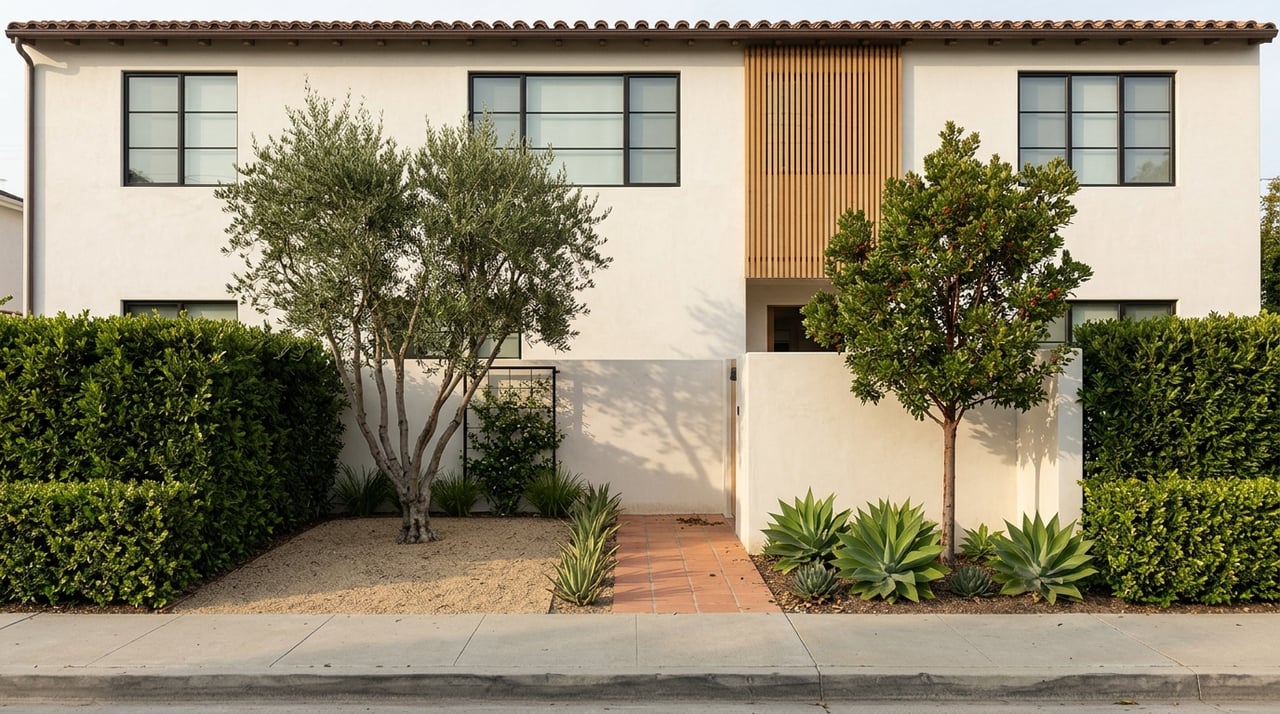
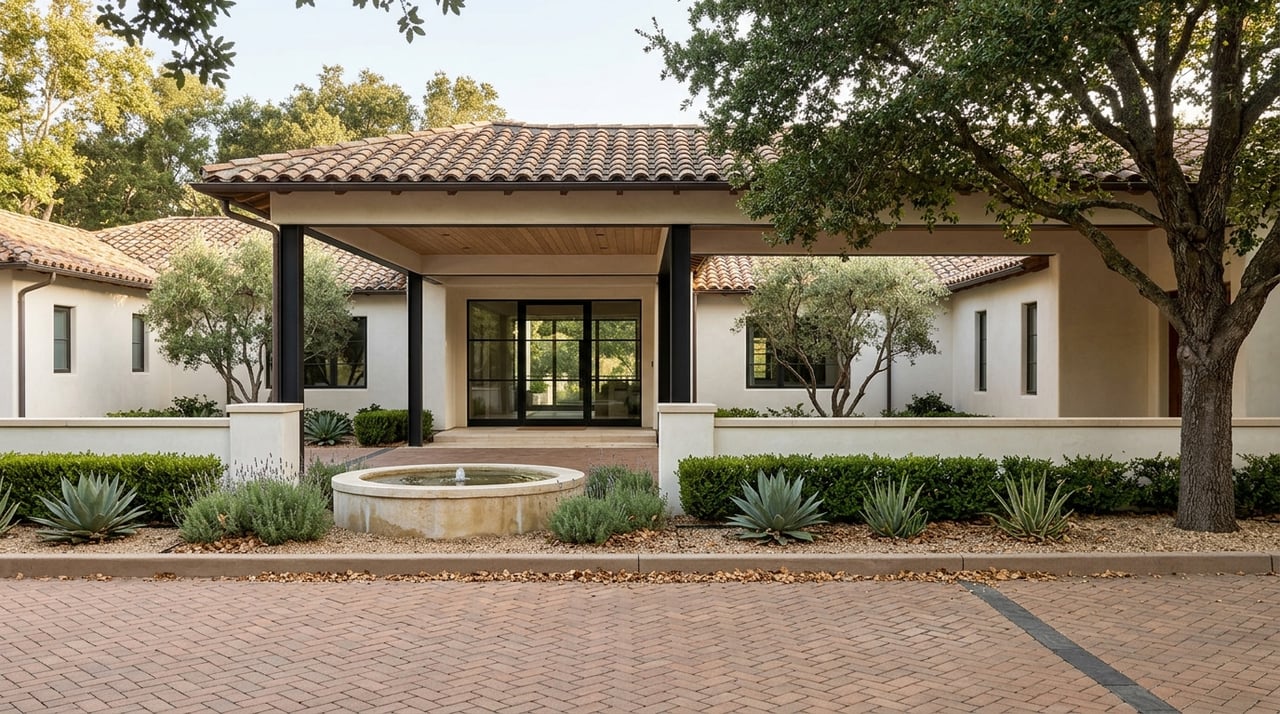
Spanish Colonial Revival became especially important to La Jolla’s image. Landmarks such as Casa de Mañana and La Valencia Hotel show how courtyards, tropical planting, and ocean-oriented design came together in a style that still feels deeply tied to the community today.
La Jolla also has a strong modernist tradition. The historical record connects Irving Gill to early modernism in the area, and later architectural significance includes work associated with Rudolph Schindler, Louis Kahn, and Richard Neutra.
This modernist layer adds another dimension to La Jolla’s identity. It shows that the community has long attracted design thinking that values light, geometry, simplicity, and a close relationship between a building and its site.
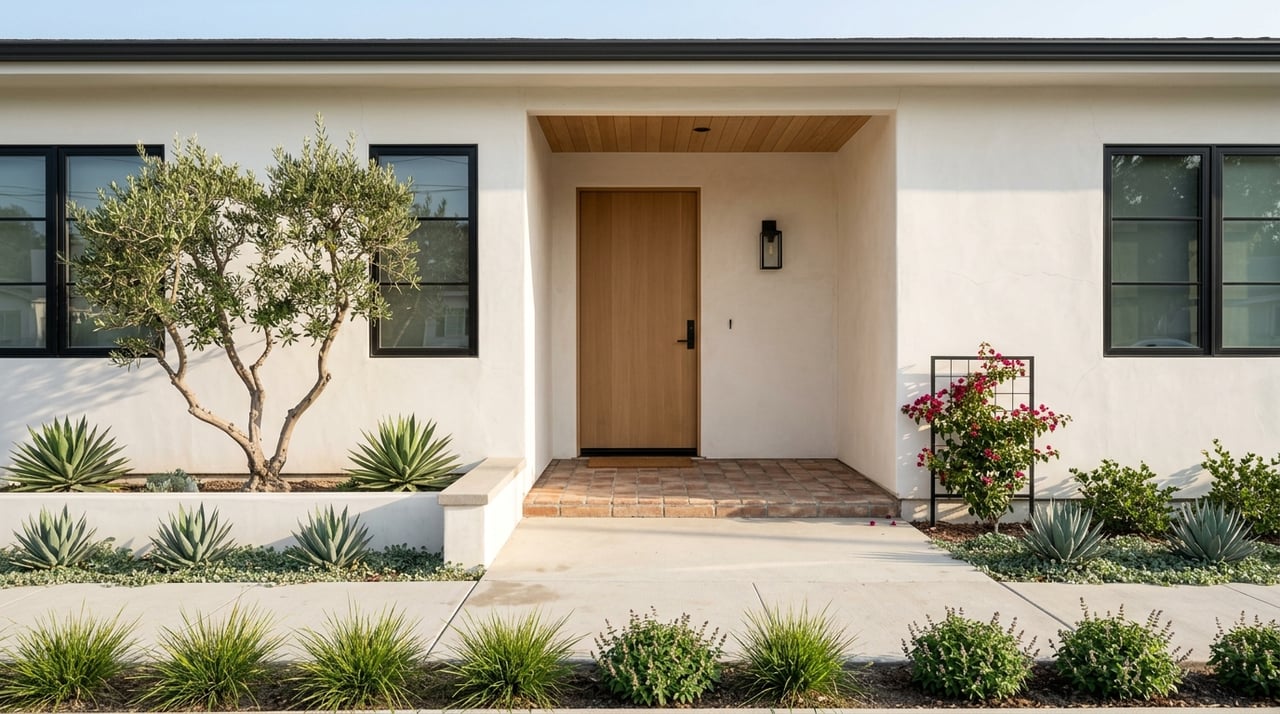
If you want a practical definition of La Jolla coastal living, the La Jolla Shores Design Manual offers one of the clearest. It describes a typical home in the area as having extensive glass, overhanging roofs, a low rambling silhouette, patios, atria or enclosed courtyards, and decks that support an inside-outside way of life.
That description is useful because it connects aesthetics to daily experience. In La Jolla, good design is not only about style. It is about how a home frames sea views, brings in light, offers shelter from exposure, and keeps the landscape present in everyday living.
Many La Jolla homes, especially those designed with the coast in mind, tend to prioritize features such as:
These features are not random luxury add-ons. They reflect a local design tradition shaped by the ocean, topography, and the desire to make views part of daily life.
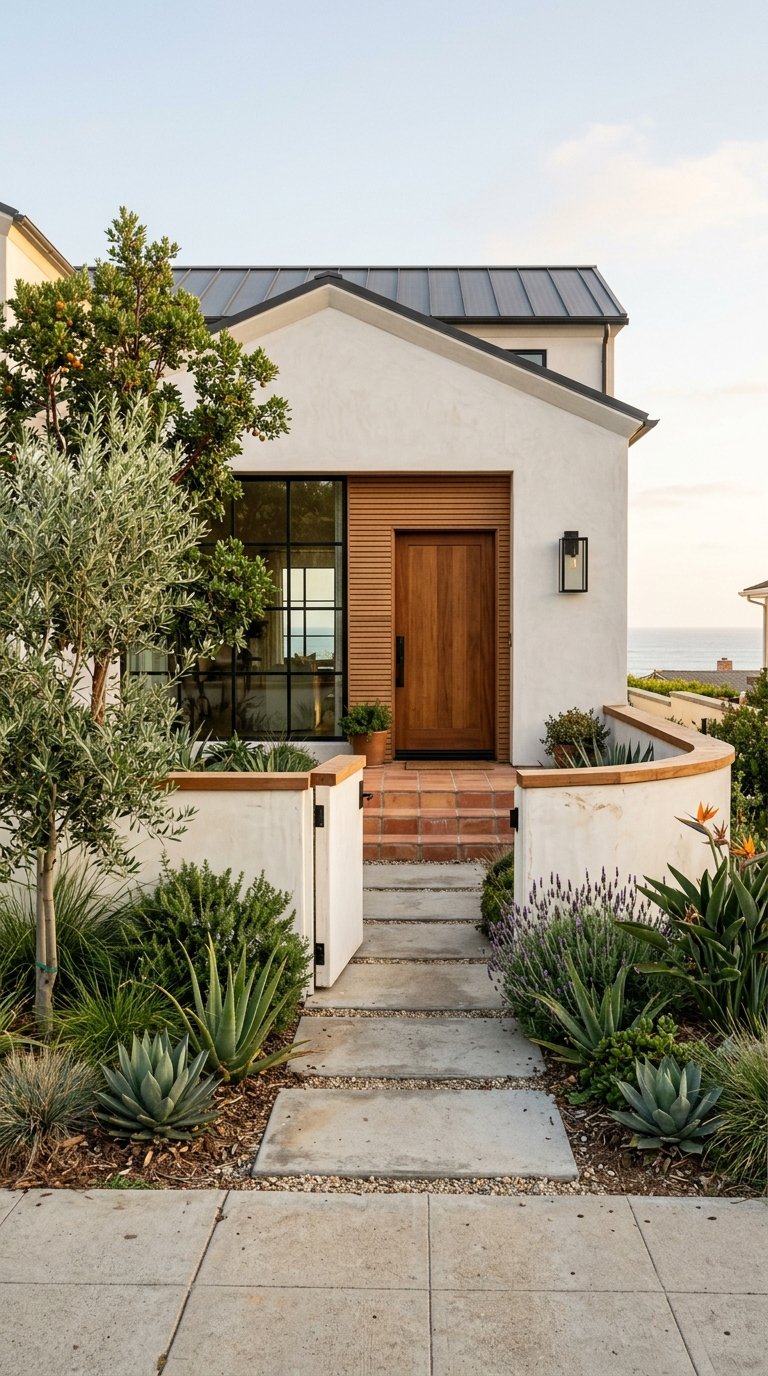
La Jolla’s geography creates very different living experiences from one property to the next. Some homes sit close to the shoreline, some occupy bluff-top positions, and others are tucked into hillsides or shaped by canyon edges.
Because of that, the design challenge in La Jolla is often about more than appearance. A home has to respond to the specific conditions of the parcel, including terrain, outlook, sun exposure, and how the structure meets the land.
For buyers, this means no two coastal properties should be viewed as interchangeable. For sellers, it means a home’s value often lies not only in finishes or square footage, but in how successfully the architecture responds to the site.
La Jolla’s architectural identity is also reinforced by civic and cultural buildings. The La Jolla Woman’s Club, the former Ellen Browning Scripps home that became today’s MCASD, and the Athenaeum Music & Arts Library all add to the community’s design legacy.
This broader architectural fabric matters because it gives La Jolla a sense of continuity. You are not simply moving through a collection of private residences. You are moving through a neighborhood where architecture is part of public memory and cultural life.
In La Jolla, architecture and regulation are closely linked. City guidance states that projects in the Coastal Overlay Zone may require a Coastal Development Permit before a construction permit is issued. The city also states that the Coastal Height Limit Overlay Zone creates a supplemental height limit in certain coastal areas, and that limit is 30 feet.
In a community where views are central, those rules matter. They can shape what is possible on a parcel, what can be expanded, and how a renovation or new design may need to respond to the surrounding context.
La Jolla is also recognized as a special community of regional and statewide significance under the California Coastal Act. Combined with the fact that the area is largely built out, this helps explain why design review, preservation, and careful planning play such a visible role in the market.
Historic preservation is not a side note in La Jolla. The La Jolla Historical Society says it works with the City Historical Resources Board and other groups on preservation, and it estimates that around 200 sites in the region have received historic designation.
For many properties, architectural value is tied to more than size or finish level. Provenance, period details, and place within La Jolla’s broader design story can all contribute to a home’s appeal. That is especially important in a market where buyers often appreciate rarity and long-term character.
With bluff-top and ocean-adjacent homes, long-term coastal risk also matters. USGS cliff erosion models for La Jolla and Southern California show projected bluff retreat under sea-level-rise scenarios, with average bluff-top losses ranging from 62 to 135 feet by 2100 under certain scenarios.
That does not mean every waterfront or bluff-side property faces the same conditions. It does mean that geology, drainage, setbacks, and ongoing maintenance deserve serious attention during the buying or selling process. In a market like La Jolla, coastal beauty and coastal diligence go hand in hand.
La Jolla architecture is best understood as a conversation between landscape, lifestyle, and regulation. The homes that stand out most are often the ones that treat the coast as the organizing principle, not just the backdrop.
If you are buying, that perspective can help you look beyond surface-level style and focus on how well a property fits its site. If you are selling, it can help you position your home in a way that highlights what sophisticated buyers often value most: design integrity, view orientation, architectural significance, and informed stewardship.
In a place as established and visually distinctive as La Jolla, those details can shape both experience and value.
If you are considering buying or selling a design-driven coastal property in La Jolla, working with a team that understands architecture, permitting context, and shoreline considerations can make a meaningful difference. For private guidance, market insight, or a discreet valuation conversation, connect with Kathleen Gelcich.
Stay up to date on the latest real estate trends.
We are dedicated to helping you find your dream home and assisting with any selling needs you may have. Contact us today to start your home searching journey!