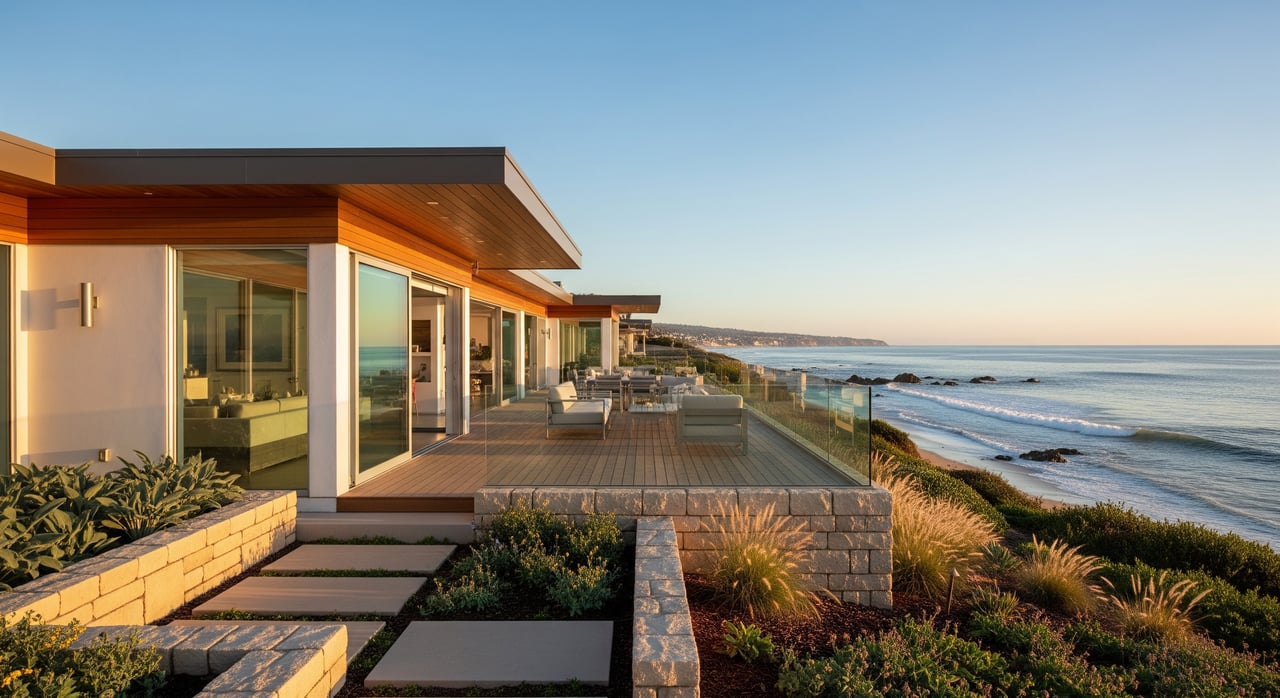
Thinking about remodeling your beach house, building new, or buying in Encinitas’ Coastal Zone? Between shoreline rules, bluff setbacks, and public access protections, a Coastal Development Permit can be the key to moving forward smoothly. You want clarity on when a CDP is required, how long it takes, and how local design review fits in. This guide gives you the essentials so you can plan with confidence and avoid costly missteps. Let’s dive in.
CDP basics in Encinitas
A Coastal Development Permit, or CDP, is required for most development in the Coastal Zone to ensure consistency with the California Coastal Act. The statewide system is overseen by the California Coastal Commission, while Encinitas implements these policies through its certified Local Coastal Program and issues most CDPs locally. The City’s Planning & Building team reviews applications for alignment with coastal resource protections, including public access, bluff and geologic hazards, visual resources, habitats, and floodplain concerns.
In Encinitas, the City is your primary point of contact for CDPs. Some approvals can be appealed to the Coastal Commission if the property is in an appealable area or if an appeal is filed after local action. You can learn more about local procedures through the City of Encinitas Planning & Building pages and general Coastal Commission guidance.
Do you need a CDP?
The Coastal Act defines development broadly. Many exterior changes and site work will trigger a CDP. Always confirm with City staff before you design or buy.
Common projects that typically require a CDP:
- New single-family homes and multi-unit residential buildings in the Coastal Zone.
- Additions that change footprint, increase floor area, alter grading or drainage, or affect bluff stability.
- New or replacement seawalls, revetments, bulkheads, or other shoreline protection.
- Substantial remodels that change the exterior form or footprint.
- Accessory structures that exceed basic exemptions for size, height, or coverage.
- Subdivisions, significant hardscape or landscaping in sensitive areas, and major utility work.
Activities that often do not require a CDP:
- Ordinary maintenance and repair that do not change use, intensity, footprint, or public access.
- Interior remodels that stay within the building envelope and do not alter the exterior.
- Minor exterior like-for-like replacements with no change in size or location.
- Small landscaping changes that do not affect sensitive habitats or grading.
Important: Exemptions are narrow and context matters. Emergency work may have separate rules and notifications. Confirm the status of any project with the City of Encinitas Planning & Building.
Projects with extra scrutiny
Some locations and project types receive heightened review due to potential resource impacts.
Expect added requirements if your project:
- Sits on or near a coastal bluff, where geotechnical analysis and setbacks apply.
- Affects public access ways, beach parking, or trails to the shoreline.
- Is near wetlands or lagoons, such as the San Elijo Lagoon, or within sensitive habitat areas.
- Involves shoreline armoring. Seawalls and similar structures are tightly controlled and often controversial.
CDP process and timeline
Here is how the process usually unfolds, from early planning to construction.
Typical steps:
- Pre-application meeting. Optional but recommended to discuss scope, triggers, and studies with Planning staff.
- Application submittal. Provide forms, site plan, elevations, and technical reports as needed.
- Completeness and staff review. The City reviews your materials for completeness and then for consistency with the LCP and zoning.
- CEQA review. Staff determines if your project is exempt under CEQA or requires an Initial Study, Mitigated Negative Declaration, or EIR.
- Public notice. Neighbors are notified and site postings may be required.
- Decision. Staff may approve minor projects administratively. Discretionary projects go to the Planning Commission. Appeals can go to City Council and, in certain cases, to the California Coastal Commission for review.
- Issuance. After approval, you must satisfy conditions and wait out any appeal period before issuance.
- Building permits. Once the CDP and any other approvals are in place, you can apply for building permits.
Typical timelines:
- Minor or administrative projects: typically weeks to 2 to 3 months.
- Discretionary projects with design review or hearings: about 3 to 9 months, depending on scope and complexity.
- Projects requiring CEQA studies or subject to appeals can take many months to over a year.
Timeline drivers include application completeness, geotechnical or biological issues, neighborhood concerns, CEQA needs, and hearing schedules.
Design review and CDPs
In Encinitas, design review often runs in parallel with CDP review. The focus is on aesthetics, massing, materials, and neighborhood compatibility while ensuring alignment with the Local Coastal Program.
What design review evaluates:
- Visual impacts from public vantage points and beach access routes.
- Building scale, rooflines, materials, colors, and landscape choices that affect coastal character.
- Preservation of public views and public access.
- Compatibility with area plans and design guidelines within the LCP.
Process options:
- Concurrent review. Submit CDP and design review together, with coordinated conditions.
- Sequential review. In some cases, a design decision precedes the CDP hearing.
Practical tip: Design changes requested during review can alter the CDP scope. Significant revisions may require updated plans and new noticing.
Smart planning checklist
Use this checklist to set up your project for success.
Before you design or buy:
- Confirm whether the property sits inside the Coastal Zone using City maps or by contacting Planning staff.
- Ask the seller for past CDPs, coastal exemptions, or permit history. Unpermitted work can be costly to fix.
- Check for bluff or shoreline overlays and any neighborhood-specific policies.
At project start:
- Schedule a pre-application meeting with Planning staff. It can save months.
- Budget for likely technical studies: geotechnical reports for bluff or slope stability, biological surveys near wetlands or lagoons, visual analysis for public view impacts, and drainage or stormwater plans.
- Hire designers and consultants experienced with Encinitas’ LCP and Coastal Commission issues.
Application essentials:
- Site plan, floor plans, and elevations that clearly describe all changes.
- Photo documentation of the site and public viewsheds.
- Geotechnical, biological, and stormwater reports as applicable.
- A concise project narrative explaining footprint, height, grading, and drainage changes.
During review and after approval:
- Respond promptly to requests for revisions or additional studies.
- Track public notice and appeal deadlines. Some projects are appealable to the Coastal Commission.
- Read all conditions of approval and budget for mitigation, timing limits, landscaping, monitoring, or easements that may be required.
Buyer due diligence:
- Request copies of any CDPs, exemptions, and permit records.
- Confirm if conditions tied to past permits run with the land, including bluff retreat disclosures or seawall maintenance.
- Consider a title or permit history review to identify unpermitted work.
- If you plan to remodel or add on, consult with the City early to understand approvals and timelines.
Avoiding delays
You can reduce risk and keep your schedule on track by anticipating common pitfalls.
Frequent causes of delay:
- Incomplete applications or missing technical reports.
- Geotechnical or biological concerns that need more analysis or mitigation.
- CEQA studies that extend review time.
- Neighborhood opposition and related appeals.
- Design changes requested during review that require plan revisions.
How to stay ahead:
- Start with a thorough pre-application and a complete submittal package.
- Align design concepts early with LCP policies and view protection.
- Build time and budget for studies and potential design refinements.
- Communicate proactively with neighbors and stakeholders when appropriate.
For buyers and sellers
For sellers, a clean coastal permit history can enhance marketability and reduce closing risk. For buyers, clarity on whether past improvements were properly permitted, and what future work will require, helps you value a property accurately. Understanding the Encinitas CDP process also positions you to negotiate timelines and contingencies with confidence.
If you want seasoned guidance on evaluating a property’s coastal constraints, or you are planning a sale or purchase near the shoreline, connect with a team that lives this process daily. Reach out to Kathleen Gelcich for discreet, senior-level support tailored to Encinitas and the broader North County coast.
FAQs
What is a Coastal Development Permit in Encinitas?
- A CDP is a permit issued under the City’s Local Coastal Program to ensure development aligns with the California Coastal Act’s resource protections.
Do interior remodels in Encinitas need a CDP?
- Usually no if all work is interior and there is no change to use, footprint, or exterior, but always confirm status with City Planning staff.
How long does a typical Encinitas CDP take?
- Minor administrative projects may take weeks to 2 to 3 months, while discretionary or appealed projects can range from 3 to 9 months or longer.
Can the Coastal Commission review my Encinitas CDP?
What should Encinitas buyers verify before closing?
- Request copies of any CDPs or exemptions, confirm conditions that run with the land, and check for unpermitted work or coastal constraints that affect future plans.