
Rancho Santa Fe Covenant Guide for Discerning Buyers
December 4, 2025
December 4, 2025
Thinking about a home inside the Rancho Santa Fe Covenant? If you value privacy, open space, and enduring design, this historic community stands apart in North County San Diego. Still, its standards and process can feel different if you are buying from out of the area. In this guide, you will learn how the Covenant is governed, how design review works, what lots are like, and what to expect when you build or improve a property. Let’s dive in.
The Covenant is the original planned private residential community within Rancho Santa Fe. It is governed by recorded protective covenants and a community association that oversees design, aesthetics, and common-area standards. County government remains the permitting authority for building, grading, and health and safety.
You must comply with both the Association’s CC&Rs and San Diego County regulations. Association approval does not replace county permits. Both are required, and conditions from either can affect your design, timeline, and budget.
CC&Rs are recorded on property title, so you inherit these standards when you buy. The Association enforces the rules, runs architectural review, and manages common-area services. Rules and design guidelines are periodically updated, including landscape, lighting, and sustainability considerations.
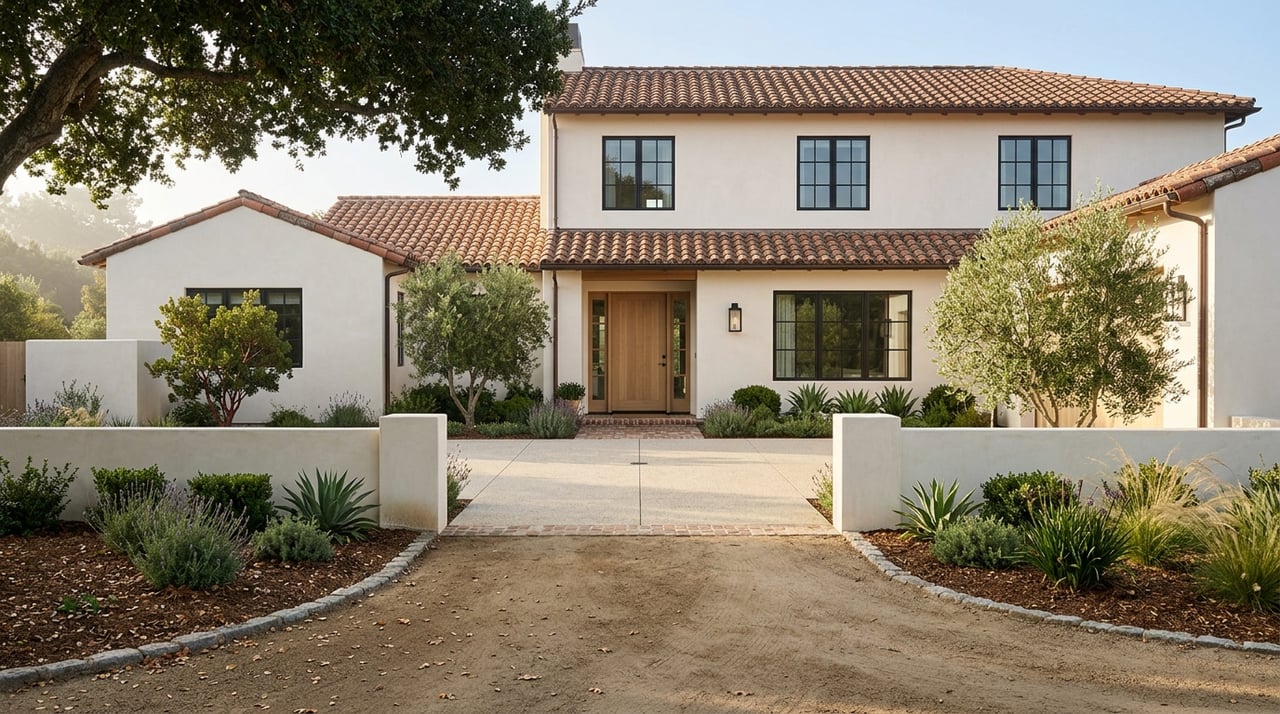
The Covenant’s design review exists to preserve the community’s planned character. It focuses on architectural quality, siting, landscape, and environmental sensitivity, while also considering neighbors’ views and privacy. You can expect a thorough look at visible elements from the street and adjoining lots.
Most projects begin with a pre-submittal meeting. This step helps surface constraints and likely design issues early, which can prevent rework. It is especially helpful if you are new to the Covenant or building on a complex lot.
A typical application includes a site plan, floor plans, elevations, grading and drainage plan, landscape plan, color and material board, and any tree protection and construction management plans. The package allows reviewers to evaluate how the home will sit on the land and relate to the streetscape and neighbors.
Review can take several weeks to months depending on complexity. Multiple revision rounds are common. Approvals often include conditions, and the Association may require inspections during or after construction to confirm compliance.
Fees and deposits are typical. Separate construction or encroachment deposits may be required to protect roads and manage erosion. County permits for grading, building, septic or sewer, and environmental items are separate from Association approvals.
Covenant properties are known for larger lots, privacy, and open space. Many lots include rolling hills, ridgelines, and preserved natural areas. These features create a striking setting and also bring site-specific considerations.
You should also plan for recorded restrictions and practical constraints that shape development.
High standards of site design and maintenance help preserve property values over time. The tradeoff is that renovations can carry higher soft costs and longer lead times. If you plan to add on or build, factor design and permitting into your acquisition timeline.
Insurance and wildfire risk are practical considerations. Properties near natural areas may require defensible space and fire-hardened details. Lenders and insurers often want to see compliance with current fire and brush management rules.
Daily life in the Covenant is centered on privacy, low density, and estate living. Some services are privately managed within the community. Public transit and dense walkability are more limited than in urban parts of San Diego County.
Private golf and country clubs are a major social hub. Memberships are separate from the Association and come with their own initiation fees, dues, and policies. Many residents find that club life shapes their social calendar, but participation is optional.
Equestrian facilities and riding trails are part of the area’s character. Whether on your own property or nearby, riding remains an enduring draw for many buyers. The village area offers boutique retail, restaurants, and essential services while maintaining a low commercial profile.
Compared with surrounding communities, the Covenant places stronger emphasis on architectural harmony and landscape preservation. The result is a consistent visual character and a quieter, more private setting.
Use this checklist to organize your review during escrow.
Design review typically adds weeks to months to a project. Large custom homes usually require multiple iterations and careful coordination with county permitting. Start early and align your expectations with the site’s constraints and the community’s standards.
Retain an architect, civil or structural engineer, arborist if needed, and a contractor who know the Covenant. Many projects will require a construction management plan that addresses staging, erosion control, contractor parking, and work hours.
Some projects require neighborhood notice or a hearing. Be prepared for neighbor input and possible negotiated refinements. In addition to construction costs, budget for design review fees, deposits, and any mitigation measures such as tree replacement, drainage improvements, or slope stabilization.
Remember that Association approval is necessary but not sufficient. County grading, building, and environmental permits are separate and may add conditions that affect design or schedule.
If you are purchasing from out of the area, a knowledgeable guide makes the process smoother. A local, senior-led team can help you interpret CC&Rs, anticipate site constraints, and assemble the right architect and builder for Covenant approvals. The result is greater confidence and fewer surprises from contract to close.
If you are exploring homes or land inside the Covenant, connect with a trusted local advisor. Reach out to Kathleen Gelcich to discuss properties, due diligence, and a strategy tailored to your goals.
Stay up to date on the latest real estate trends.
We are dedicated to helping you find your dream home and assisting with any selling needs you may have. Contact us today to start your home searching journey!