In Cardiff-by-the-Sea, the Bluff Adds a Second Price Tag the Listing Never Shows
August 27, 2026
August 27, 2026
Walk five addresses down San Elijo Avenue and the property tax bills tell a stranger story than the homes themselves. Four of these houses went up within a two-decade span, 1959 to 1977, on a stretch of bluff that looks uniform from the street. Their annual tax bills range from $6,095 to $32,756. That is not a typo and it is not a data error. It is Proposition 13 doing what it always does in California, and it is the first of two hidden costs that a median price in Cardiff by the Sea will never disclose to a buyer scrolling listings by square footage.
The second cost shows up later, usually in a contractor's estimate rather than a closing statement, and it is specific to the bluff itself.
Property tax in California resets to something close to purchase price at the point of sale or major reconstruction, then climbs slowly under Prop 13's assessment cap rather than tracking the open market. On San Elijo Avenue, where roughly 105 addresses sit between the road and the bluff edge, the average annual tax bill runs around $14,597. That average conceals almost everything useful. A home built in 1959 with a long-held owner can carry a bill under $10,000. A neighbor from the same construction era who has since sold, rebuilt, or substantially remodeled can be assessed at more than three times that, simply because their basis reset closer to today's market.
For a buyer comparing two Cardiff listings priced within $50,000 of each other, this is the number that actually separates them. Two houses can look identical in a portal photo grid and carry annual tax obligations tens of thousands of dollars apart, and neither the listing price nor the square footage will tell you which one you're looking at. The only way to know is to ask for the current assessed value, not the market estimate, before writing an offer.
The second thing the median conceals is pace. As of March 2026, Cardiff's median sale price stood near $2.4 million, up sharply from the year before. Read alone, that looks like a market in a hurry. It isn't. Average days on market in that same period had climbed to roughly 43 days, close to double the 22-day pace recorded a year earlier.
Recent closed sales make the gap concrete:
| Address | Sold | List Price | Sale Price | Sale vs. List | Days on Market |
|---|---|---|---|---|---|
| 2262 Cambridge Ave | Feb 11, 2026 | $3,750,000 | $3,600,000 | 4% under | 128 |
| 2542 Manchester Ave | Feb 9, 2026 | $2,600,000 | $2,563,409 | 1% under | 131 |
| 445 Sheffield Ave | Feb 2, 2026 | $3,495,000 | $3,040,000 | 13% under | 88 |
| 1915 Montgomery Ave | Jan 30, 2026 | $3,600,000 | $3,700,000 | 3% over | 202 |
Three of four properties sold under asking after well over three months on the market. The one that closed above list took the longest of all, 202 days, suggesting a negotiated outcome rather than a bidding war. None of this resembles the version of Cardiff still described on some real estate sites, where homes are said to sell at list price in roughly three and a half weeks. That description may have been accurate once. It is not what the closed transactions from early 2026 show. The current market rewards patience and negotiation far more than speed, and a buyer who walks in expecting a quick, at-list close is working from an outdated script.
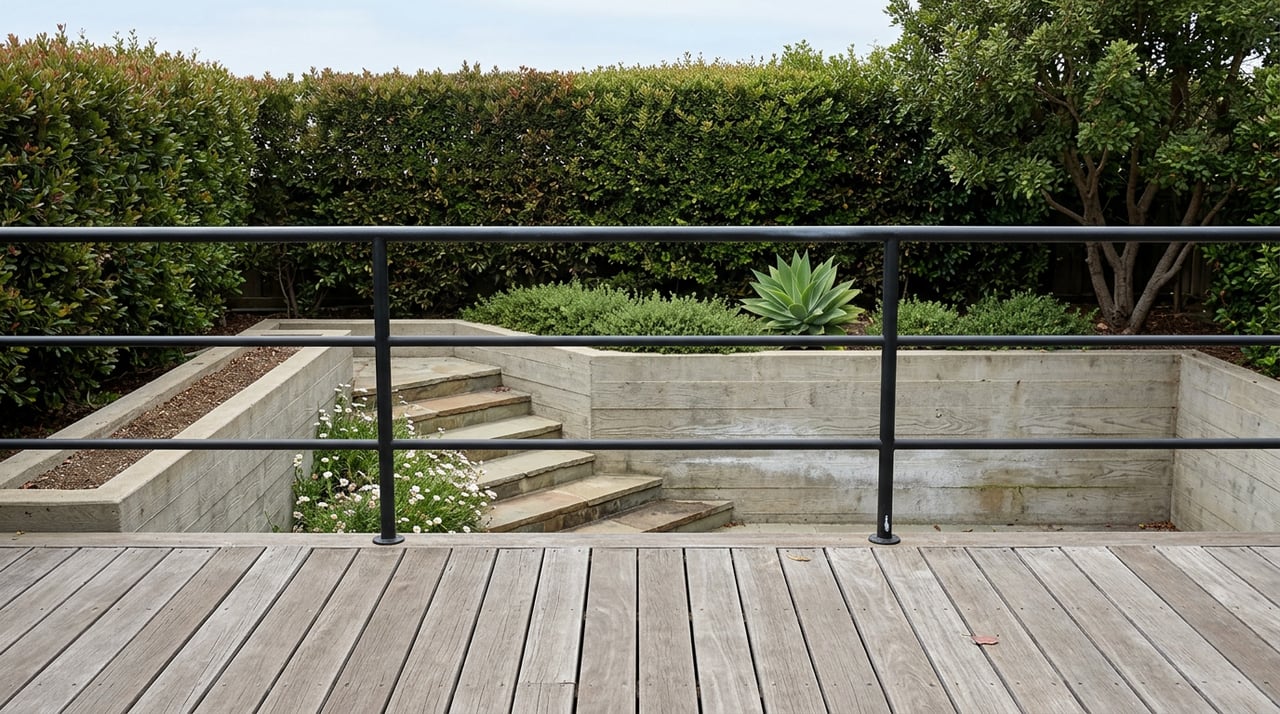
Even setting tax basis and market pace aside, a bluff-adjacent Cardiff parcel carries a cost structure that an inland Composer District lot simply does not. A typical backyard renovation in Cardiff runs somewhere between $120,000 and $260,000. A full front-and-back property plan can reach $780,000. But a bluff or Coastal Development Permit-intensive build climbs to $320,000 through $1.1 million or more, driven entirely by geology, setback requirements, and the approval process itself.
The triggers are specific and not optional. Current city guidance calls for a geotechnical report whenever an accessory dwelling unit or new construction reaches 500 square feet, well before a project reaches estate scale. Retaining walls over three feet, or any wall carrying a surcharge load, need engineered drainage and structural calculations submitted with the permit. Many Cardiff parcels sit inside the Coastal overlay, and some fall within the Coastal Commission's appeal jurisdiction, meaning a project can clear City of Encinitas review and still face a second layer of scrutiny.
None of this appears in a comparable sales list. Two homes priced at the same dollar per square foot can require entirely different capital outlays the moment an owner wants to expand, rebuild a retaining wall, or add a pool. The bluff premium is real, it is often six figures, and it only becomes visible when someone asks the right question before closing rather than after.
The physical bluff itself has a documented recent history worth knowing before you buy along it. SANDAG completed the San Elijo Lagoon Double Track Project, the Chesterfield Drive Improvement Project, and the Cardiff segment of the Coastal Rail Trail in 2019, part of the 40-year, $700 million Build NCC program. The double-track project alone cost roughly $77 million, with the rail trail estimated near $11 million and the Chesterfield work near $6 million. Retaining walls went in along stretches of San Elijo Avenue specifically to slow bluff erosion that had been shrinking the top of the bluff year over year, according to the trail advocacy group that documented the project's route.
Not everyone welcomed the tradeoff. Seth Chalnick, a Cardiff real estate broker who runs Shoreline Properties, voiced concern early in construction that paving and retaining the bluffs would change the informal, undeveloped character that had long distinguished the corridor from more built-up stretches of coast nearby, and that resulting parking restrictions could affect beach access for residents.
One piece of that history is not yet closed. North County Transit District, which owns the rail right-of-way, has stated it intends to fence off the entire corridor over time, beyond the four-foot post-and-cable barrier already in place along the trail itself. No public timeline has been attached to that plan. For a buyer looking at a bluff-top address today, that is not settled history. It is an open question worth asking directly, since additional fencing would change how residents currently cross to the beach side of the corridor.
Cardiff's civic identity has kept building around this stretch regardless. Alison Wielechowski, executive director of Cardiff 101 Main Street, has pointed to the murals, sculptures, and utility box art scattered through downtown as part of what makes the community distinct beyond its surf reputation. That civic texture is real. It just sits alongside a corridor still working through the consequences of a 2019 infrastructure decision.
Does every property in Cardiff by the Sea need a Coastal Development Permit for renovation work? No. It depends on the parcel's location within the mapped Coastal overlay and the scope of the proposed work. Bluff-adjacent and larger projects are more likely to require both City review and, in some cases, Coastal Commission involvement.
Why are some Cardiff homes selling quickly while others sit past 100 days? Recent closed sales suggest that move-in ready, view-forward properties without site complications attract faster offers, while homes carrying negotiation points around price, condition, or bluff-related site work take longer to close, which is consistent with the near doubling of average days on market between early 2025 and early 2026.
Is the tax bill shown on a current listing a reliable guide to what I'll pay after purchase? Not typically. Under California's assessment rules, a sale generally resets the tax basis closer to the purchase price. A buyer should expect their own bill to differ from the seller's and should verify current figures with the county assessor before finalizing a budget.
Cardiff by the Sea rewards buyers who ask about the property behind the price, not just the price itself. If you are weighing a bluff-adjacent address against one a few blocks inland, or trying to understand what a specific parcel's Coastal Zone status actually means for your plans, Kathleen Gelcich can walk through the assessment history, permitting path, and comparable sales for that exact address. Request a private home valuation to start with the numbers that matter for your specific parcel, not the neighborhood average.
Stay up to date on the latest real estate trends.
We are dedicated to helping you find your dream home and assisting with any selling needs you may have. Contact us today to start your home searching journey!